Founded in 1978 with roots firmly in healthcare, Alan Johnston Partnership (AJP) has developed extensive experience across the full spectrum of healthcare environments — from acute hospitals and emergency departments to mental health, primary care, and specialist facilities. Our portfolio spans over 40 NHS Trusts nationwide, with projects delivered under all major NHS frameworks including Procure 21 to Procure 23, as well as through traditional routes and direct Trust appointments.
AJP continues to support Tier 1 delivery partners and public sector clients on complex new-build, refurbishment, and masterplan projects across live operational hospital environments. Our designs are recognised for being practical, commercially aware, and sustainable — balancing buildability and whole-life value with the flexibility required by modern healthcare estates.
Longstanding relationships with NHS Trusts, leading architects, and principal supply chain partners have been built through consistent delivery, proactive collaboration, and an understanding of the critical operational demands within healthcare settings. Whether redeveloping major acute hospitals, creating mental health and learning disability units, or enhancing primary and community care facilities, AJP brings the experience, innovation, and reliability expected from a trusted specialist in healthcare design.
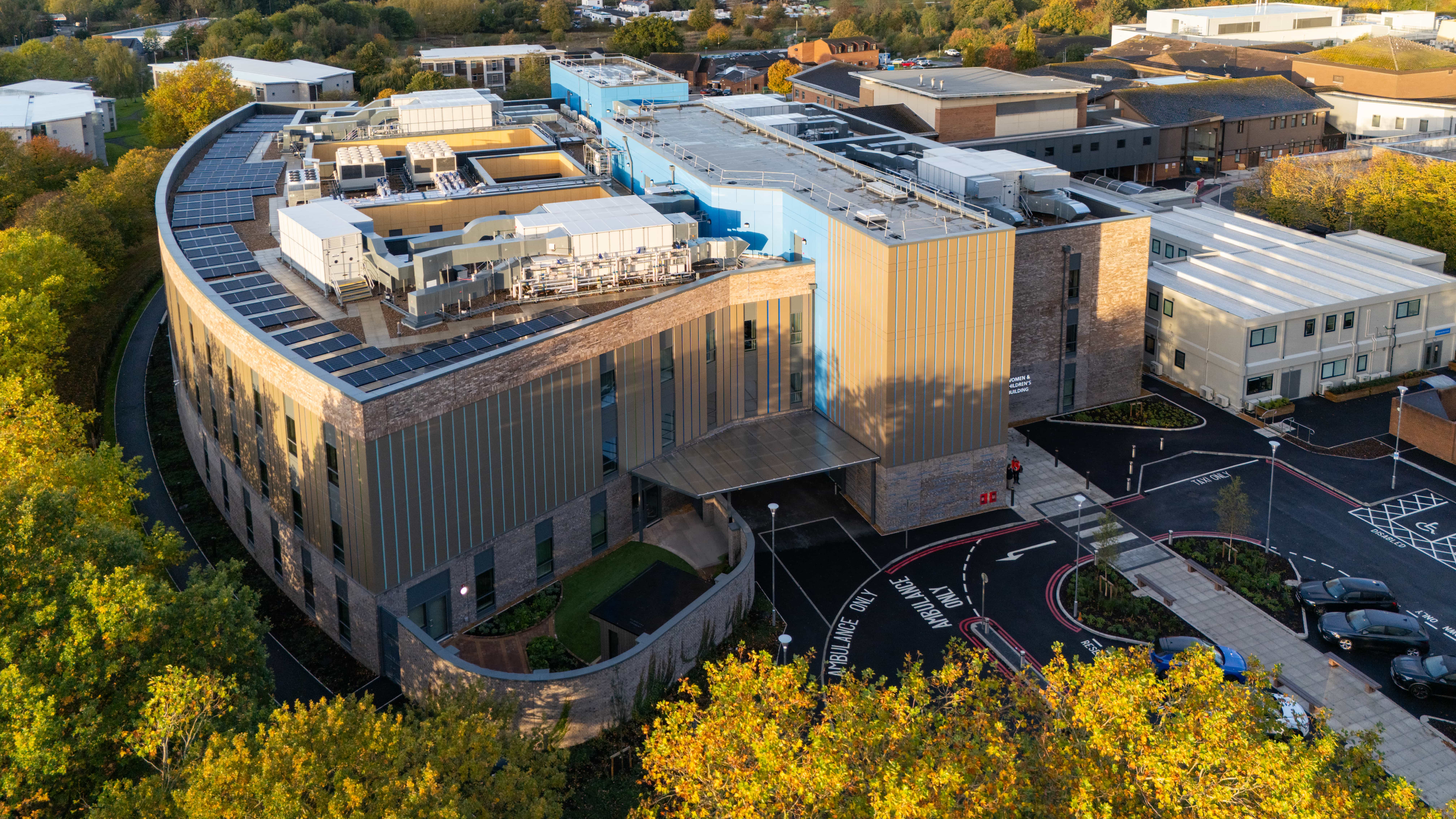
Countess of Chester Hospital NHS Foundation Trust
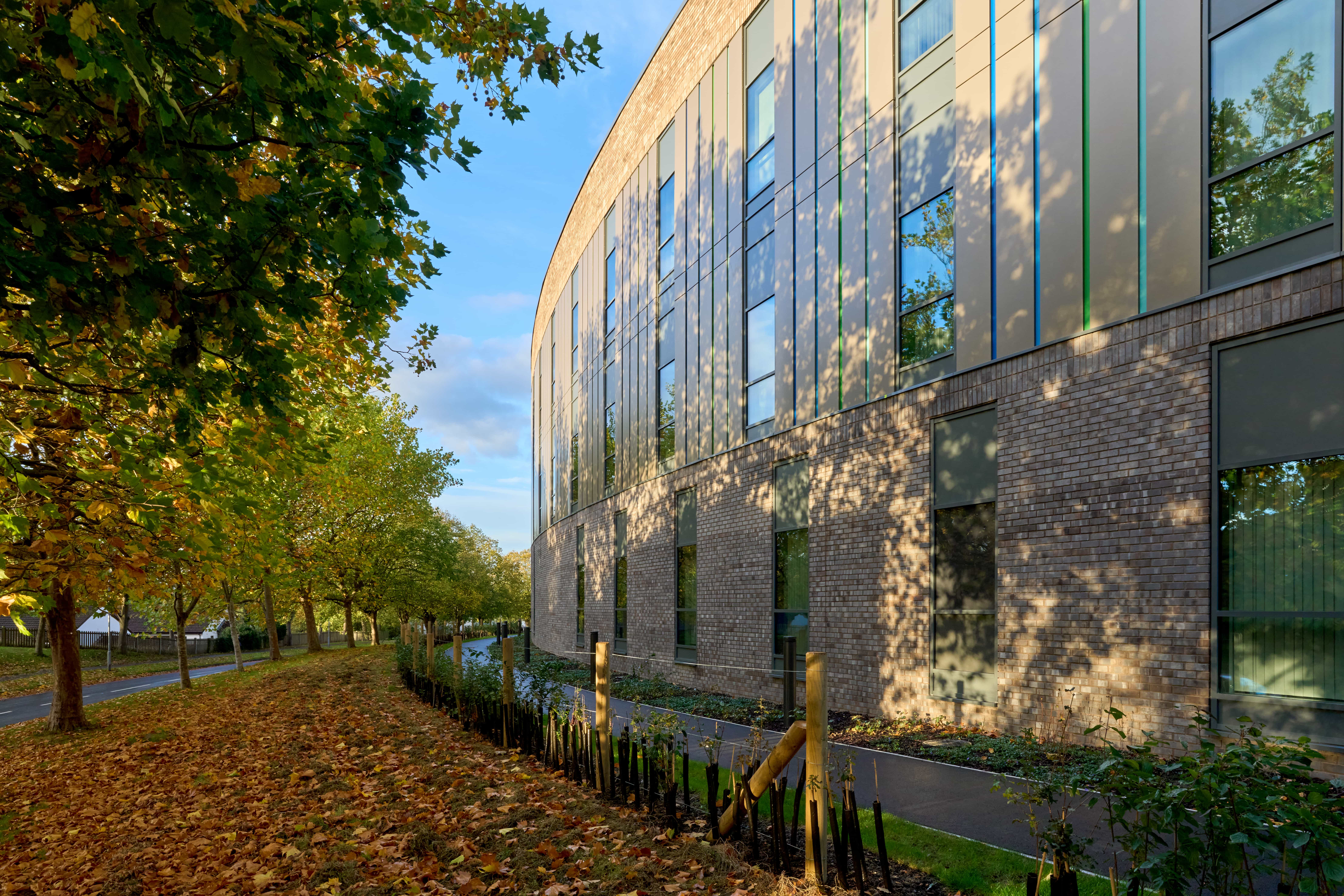
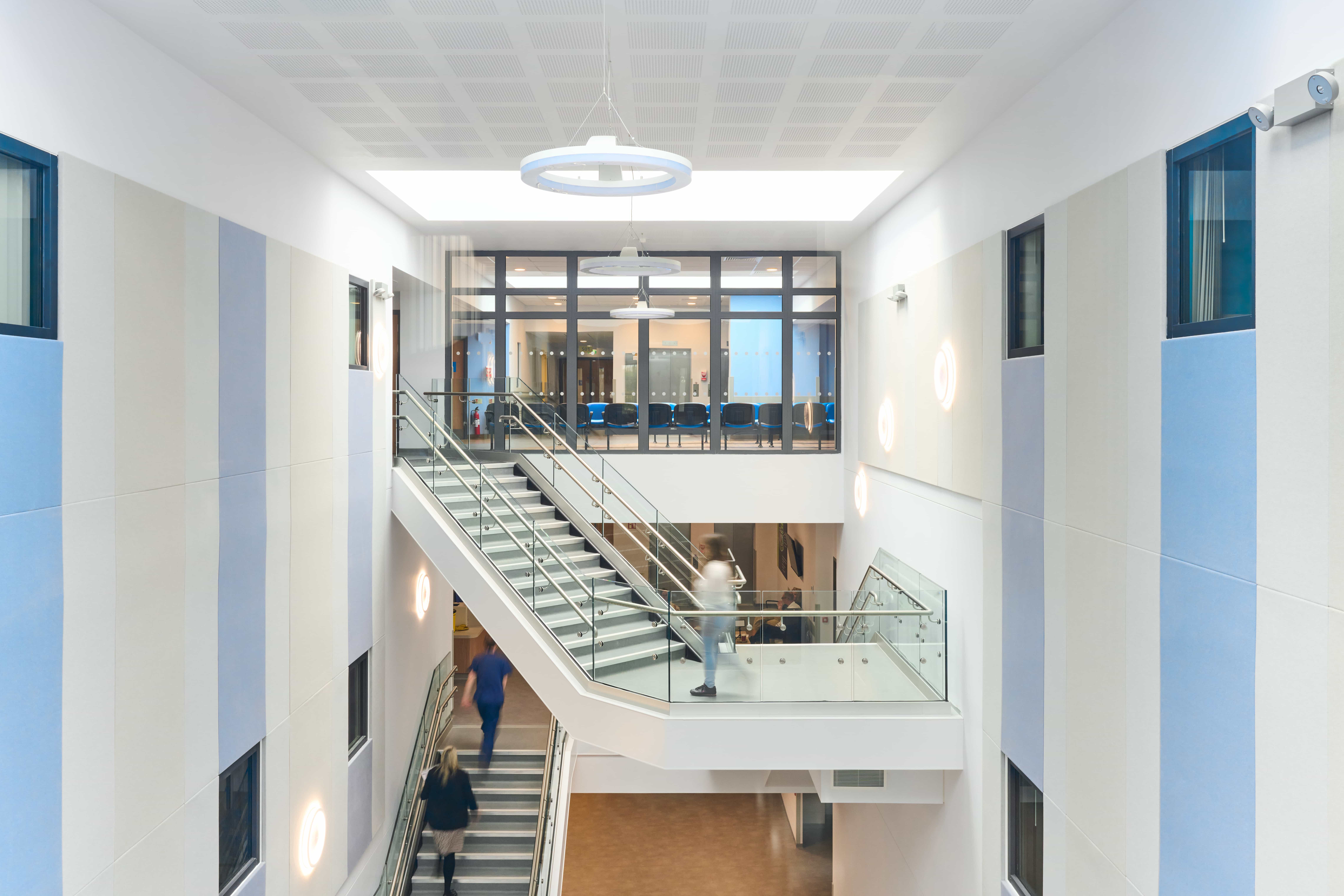
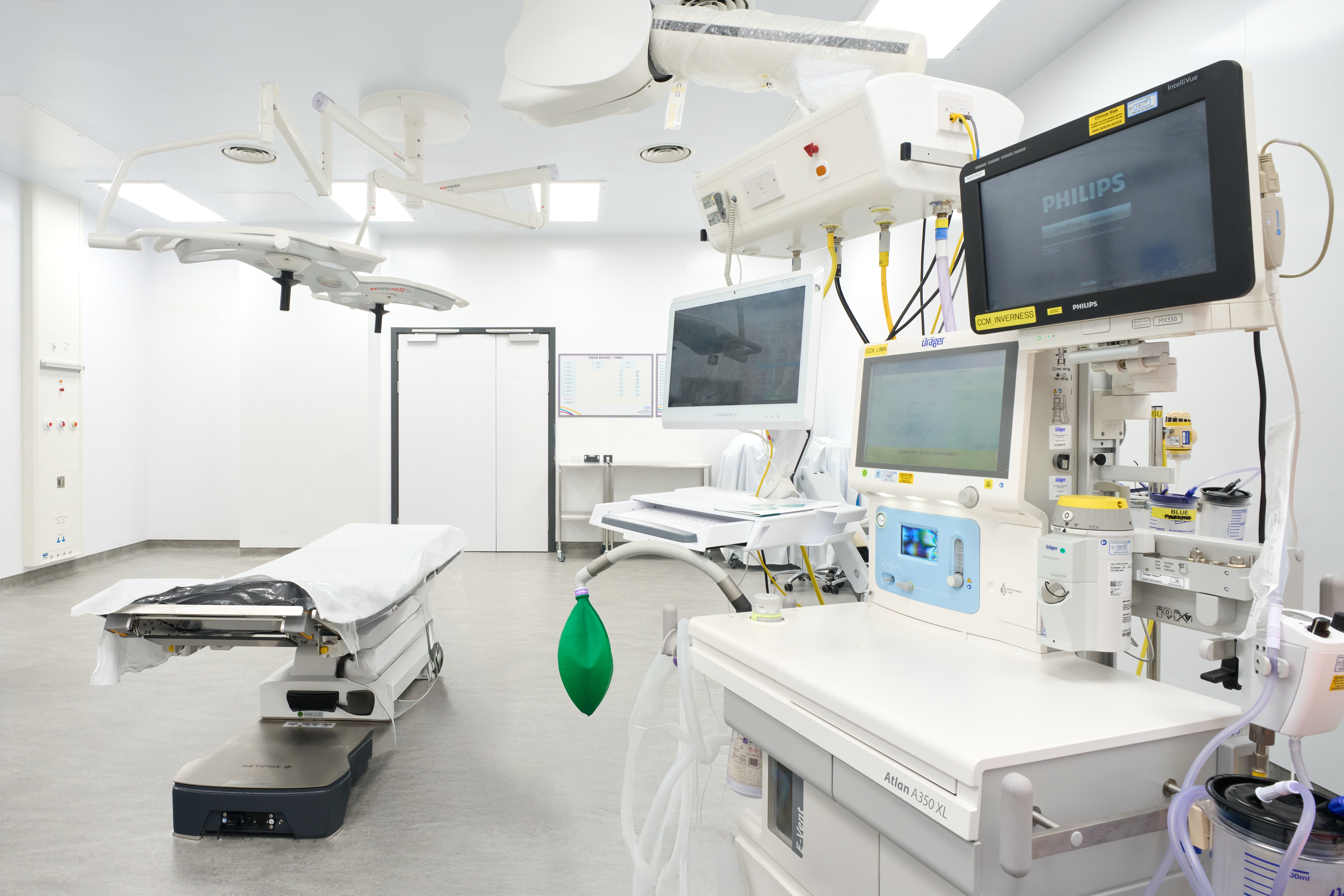
Alan Johnston Partnership provided full civil and structural engineering services for the £110 million Women and Children’s Building at the Countess of Chester Hospital. Delivered on a constrained, live acute hospital campus, the scheme replaces life-expired accommodation containing RAAC and consolidates maternity, neonatal, paediatric and women’s outpatient services within a modern, resilient clinical facility designed around patient, family and staff experience.
The project demanded careful technical and logistical coordination to maintain uninterrupted hospital operations, manage complex existing infrastructure, and integrate new construction alongside retained estate assets. Our role encompassed substructure and superstructure design, site-wide drainage and external works, and close collaboration with the wider multidisciplinary team to support phased delivery, programme certainty and robust clinical adjacencies.
The structural strategy focused on balancing a lean, efficient concrete frame with the long-term flexibility required to meet NHS Net Zero objectives. This was achieved through early optioneering and the adoption of well-considered solutions, including the use of post-tensioned slabs to reduce material quantities while accommodating larger structural grids, clear soffits and adaptable internal layouts. The approach minimised embodied carbon without compromising robustness, vibration performance or future reconfiguration potential, supporting both immediate clinical requirements and long-term sustainability.
Civil engineering works were carefully coordinated around live services, access routes and estate constraints, ensuring continuity of critical operations throughout construction. The completed building is the first in England to be verified as compliant with the NHS Net Zero Building Standard and achieves BREEAM Excellent, establishing a national benchmark for sustainable healthcare delivery.
Engineering Principles Applied
Lean concrete frame design with post-tensioned slabs; early embodied-carbon optioneering; future-proofed structural grids; coordinated live-site civils and drainage solutions supporting phased delivery and operational resilience.
“AJP has been a pleasure to deal with and your team’s attitude to helping and solving problems has been excellent.” — Andrew Munro, Capital Schemes Development Manager
Mersey Care NHS Foundation Trust
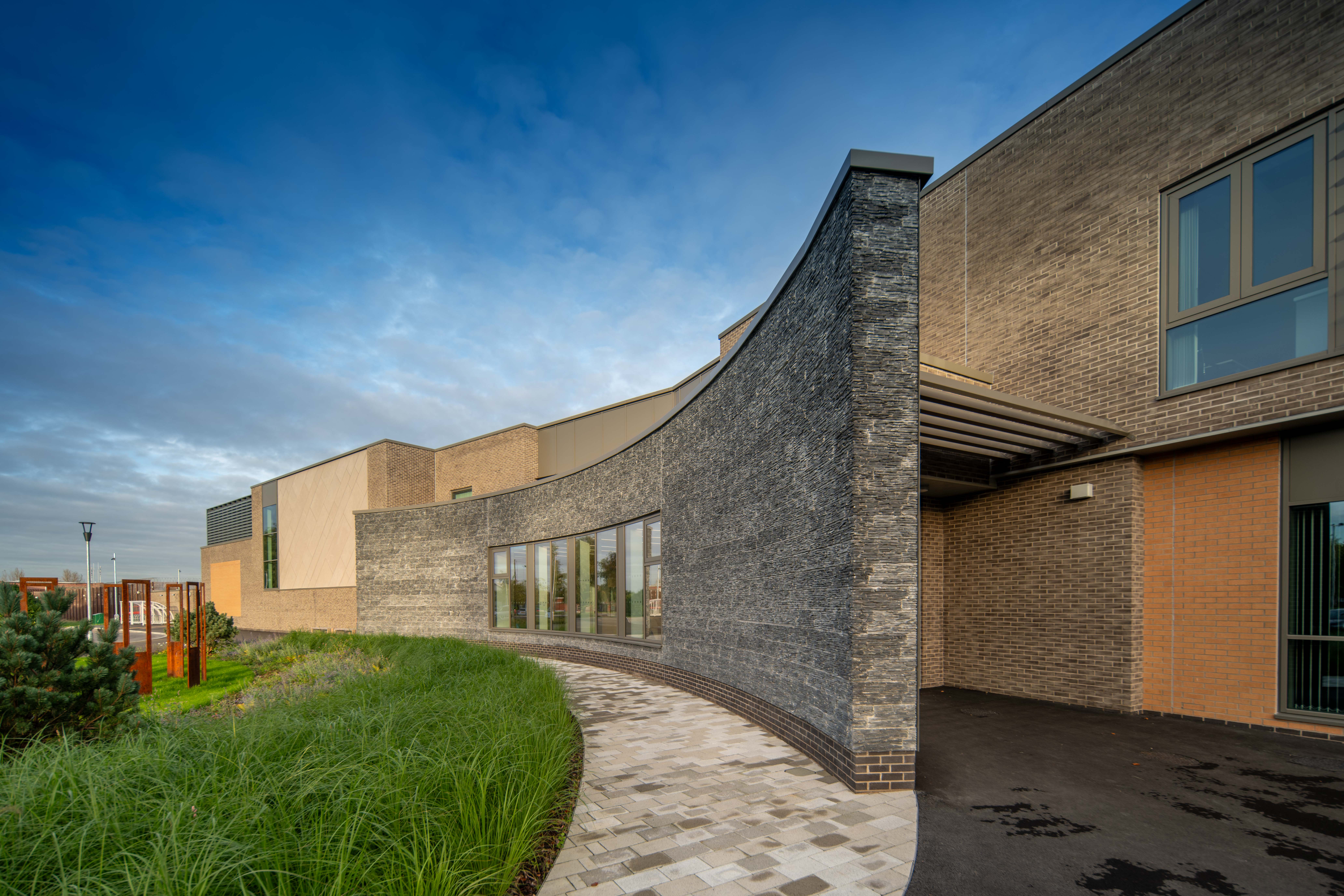
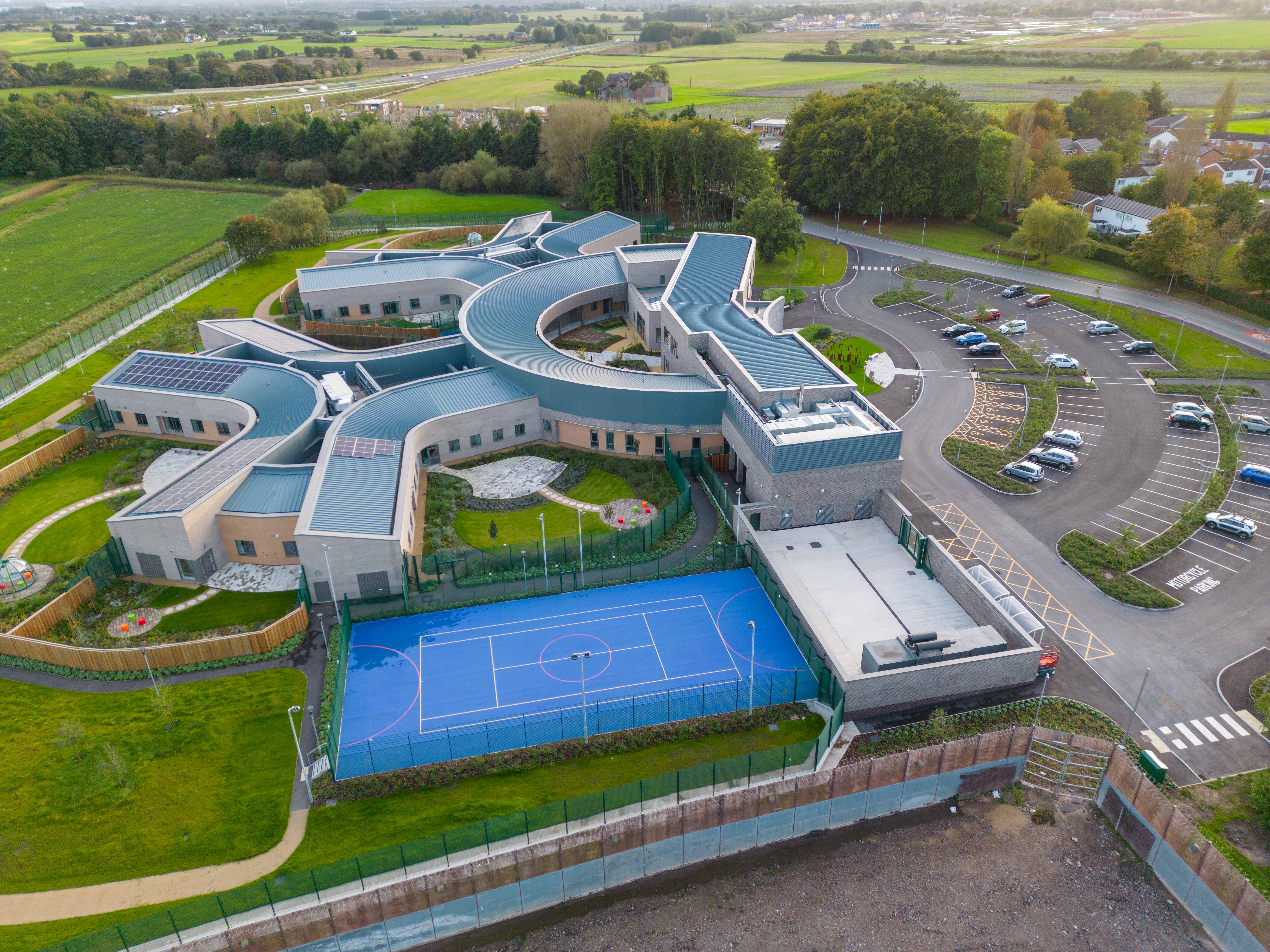
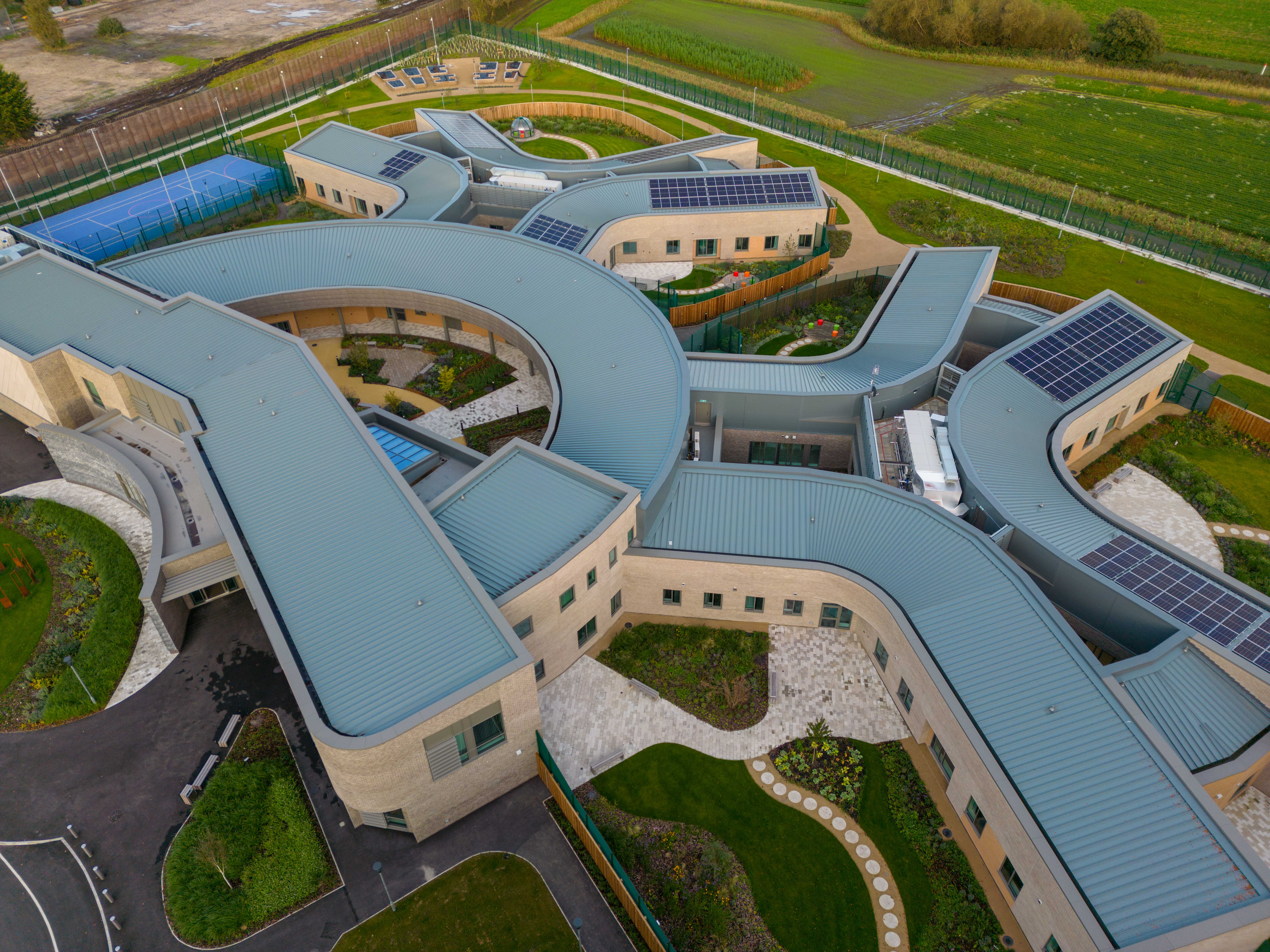
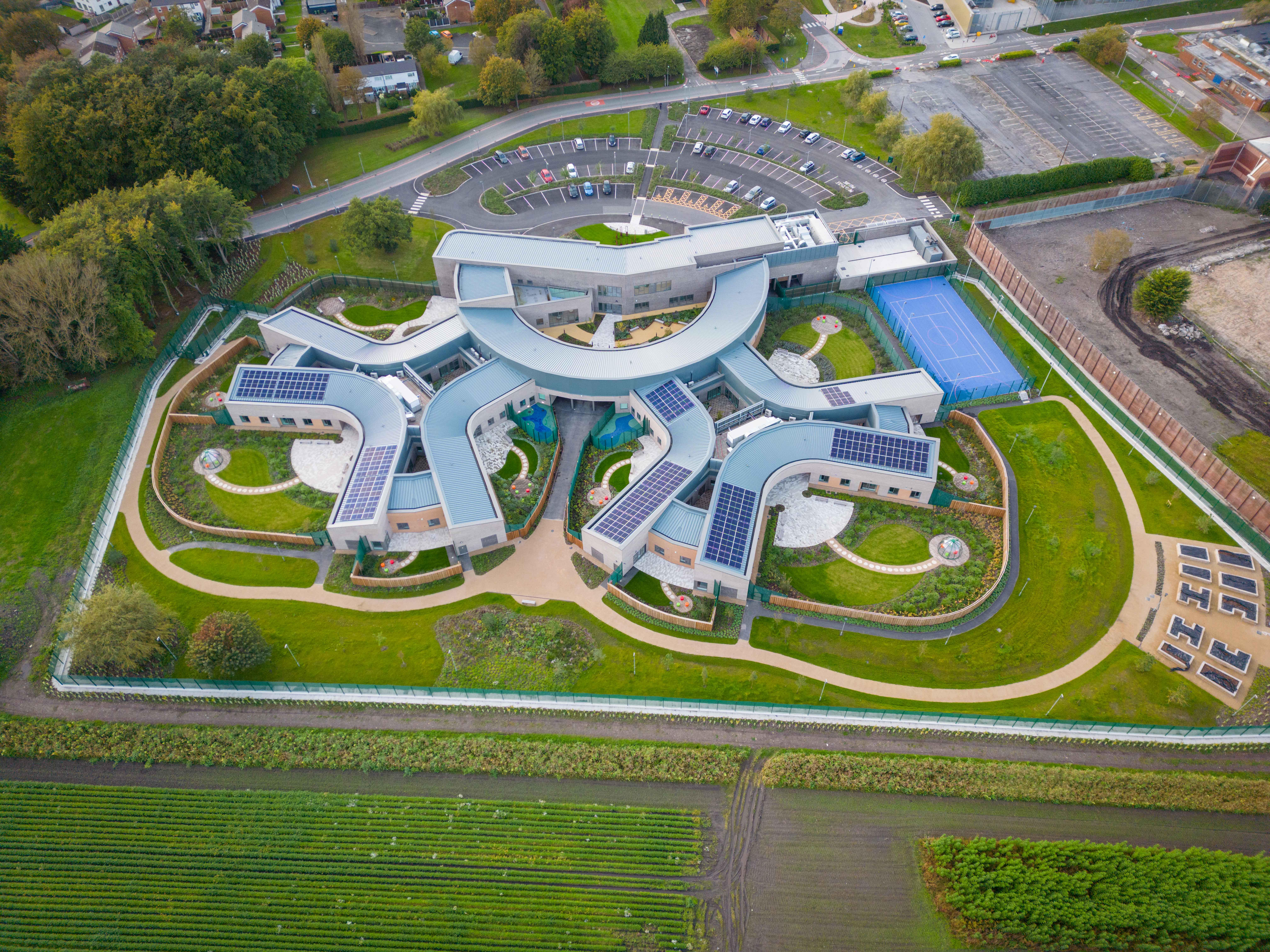
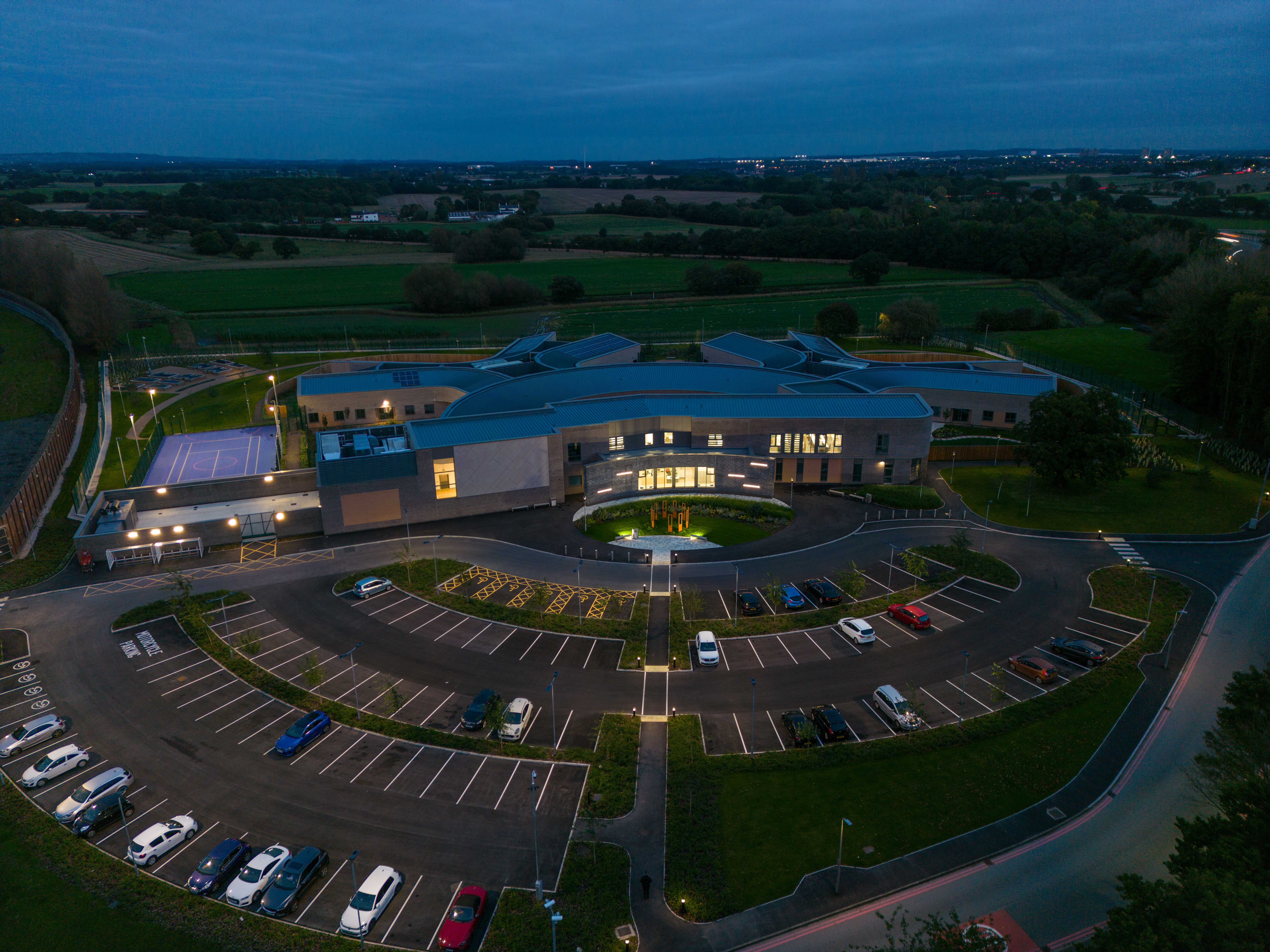
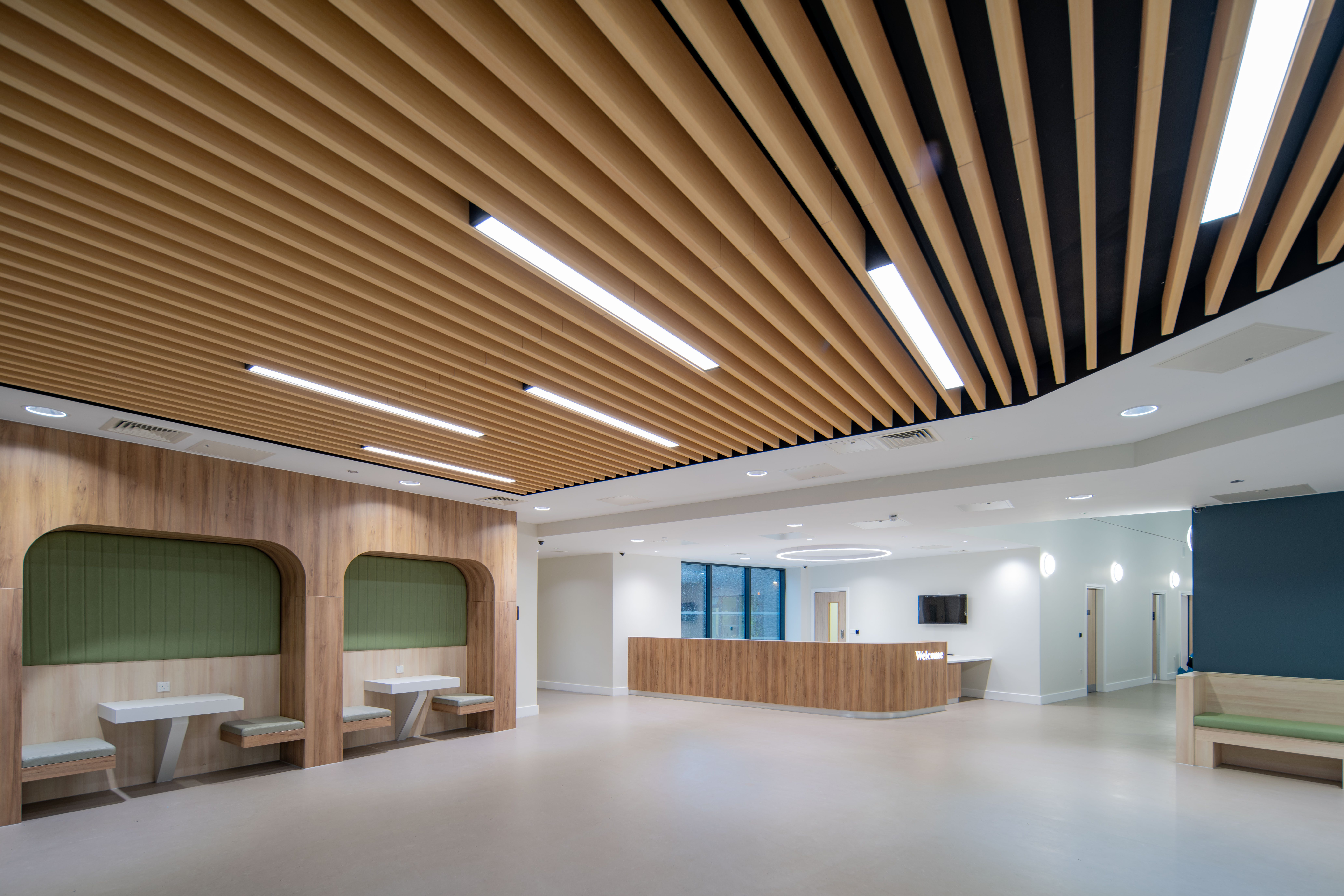
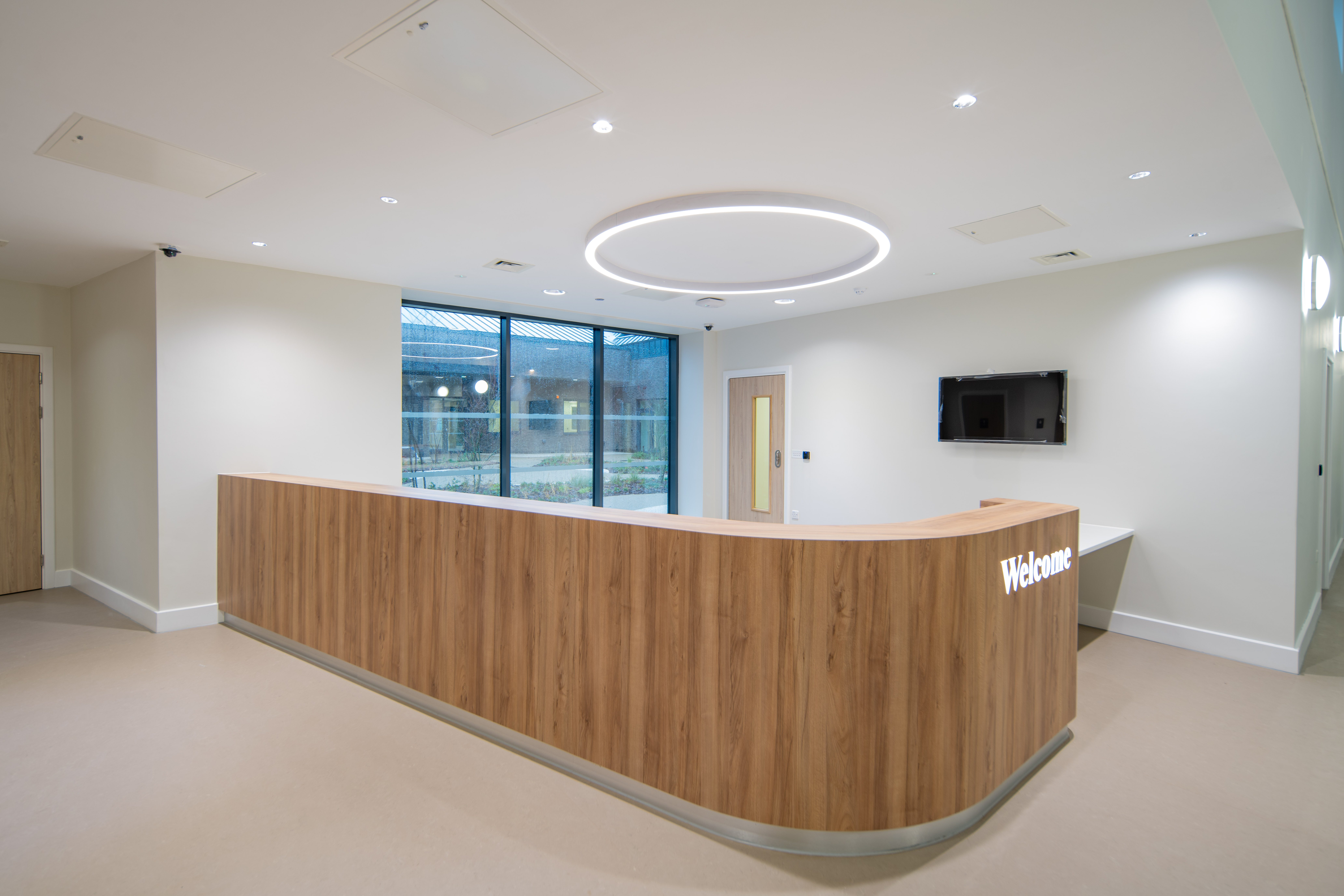
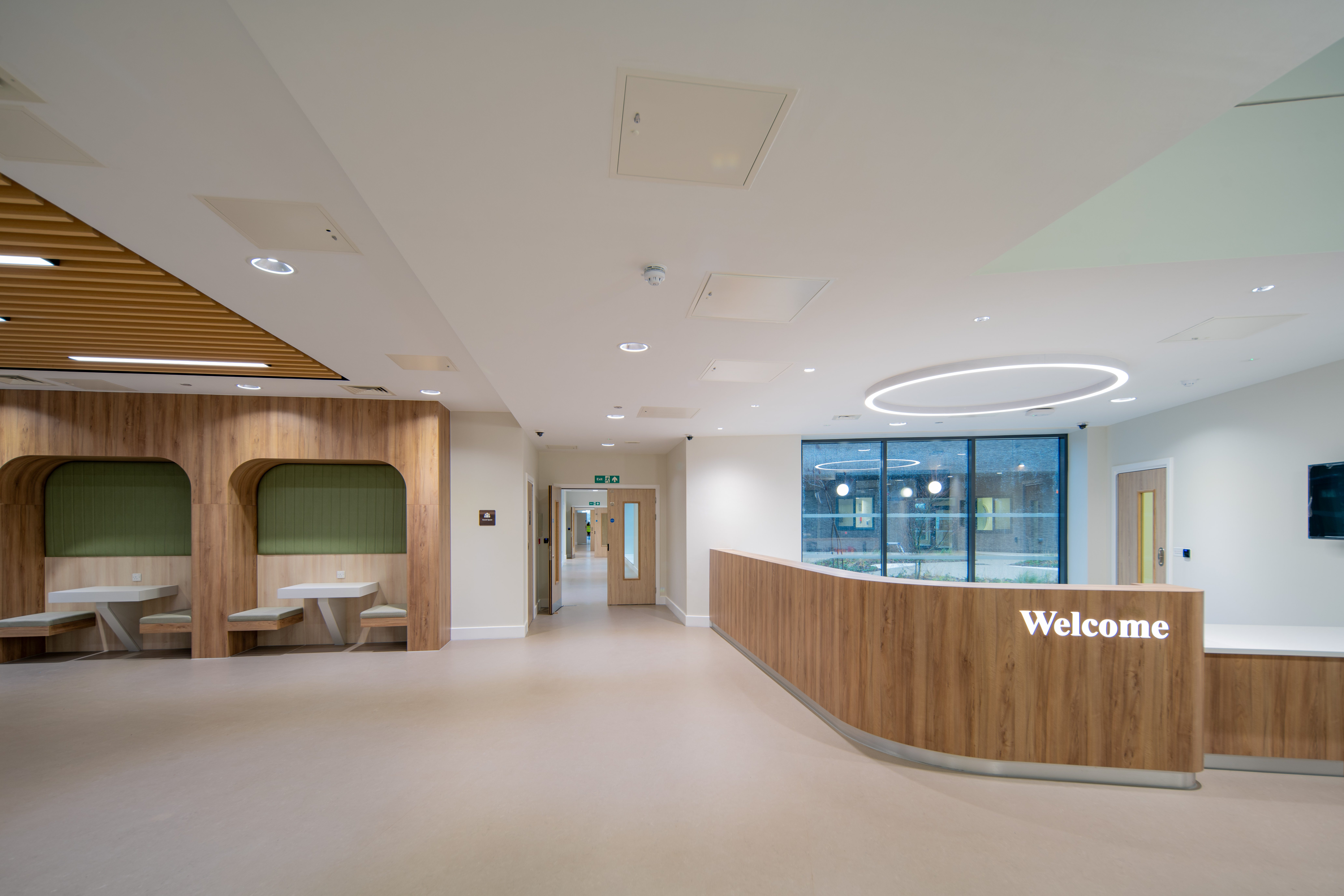
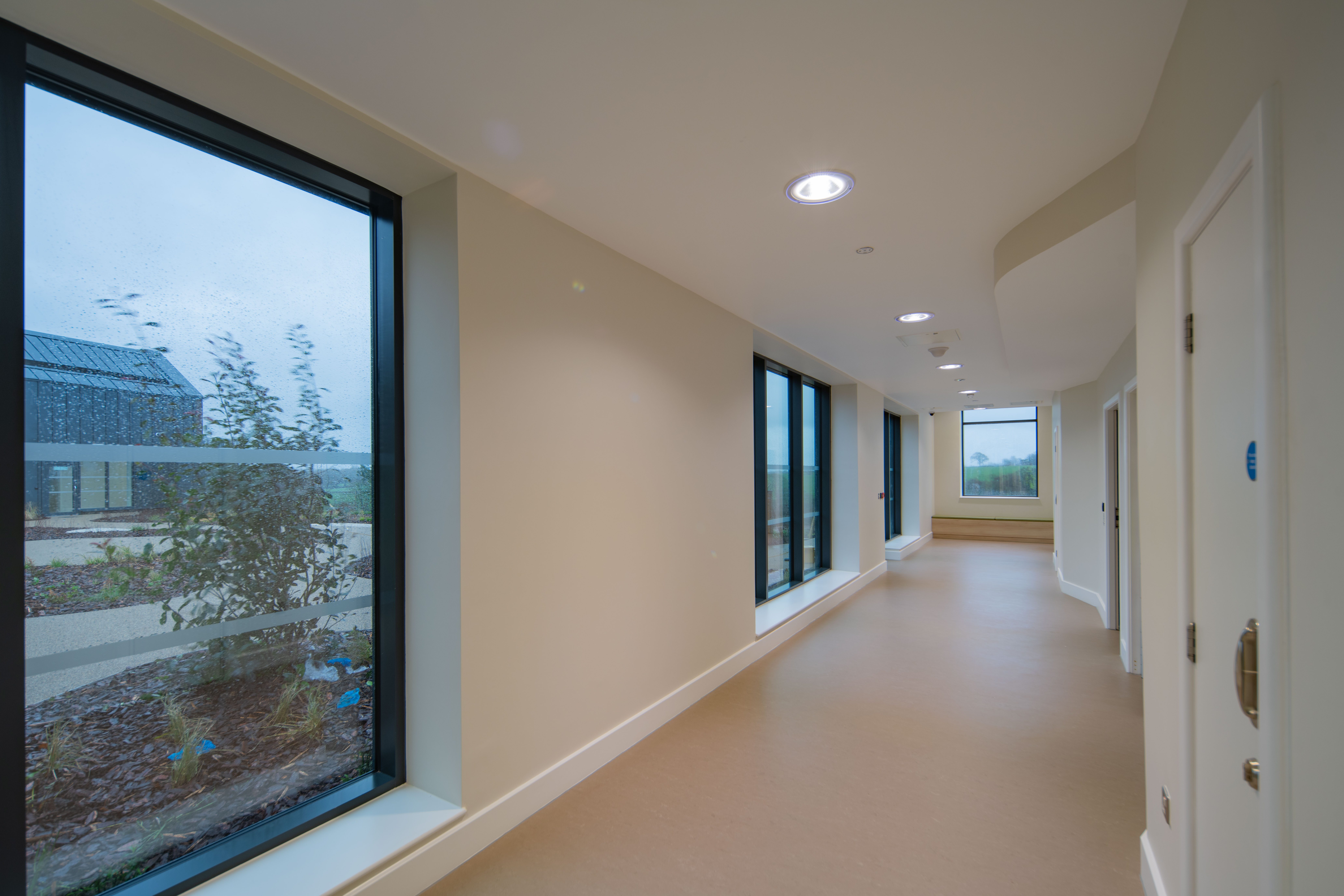
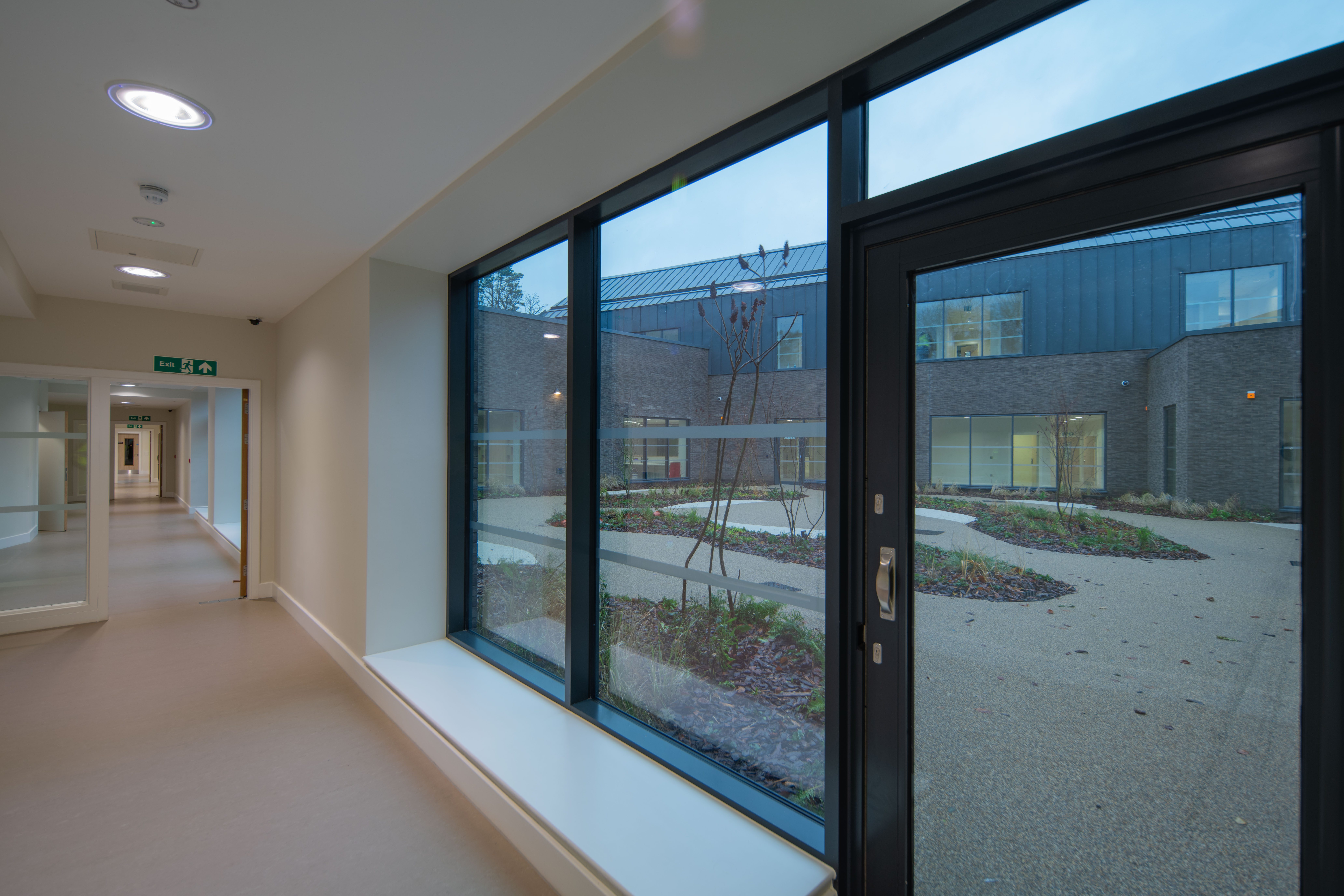
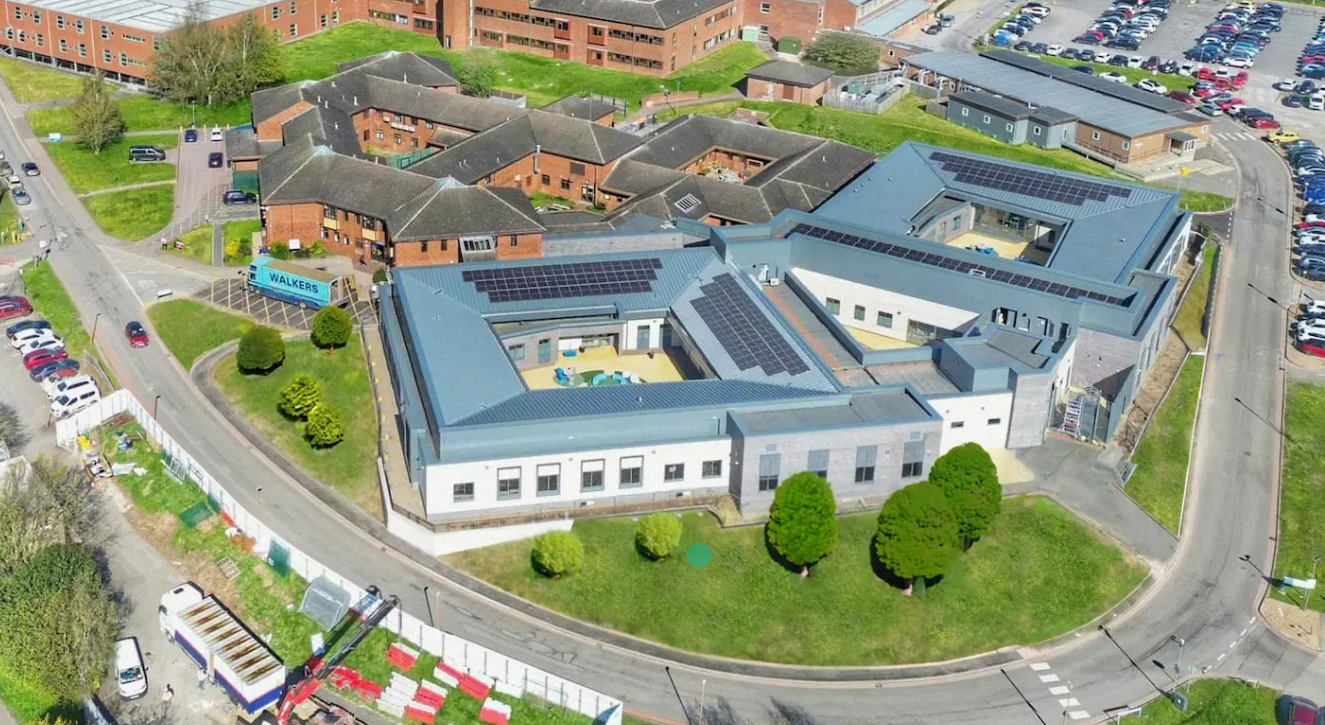
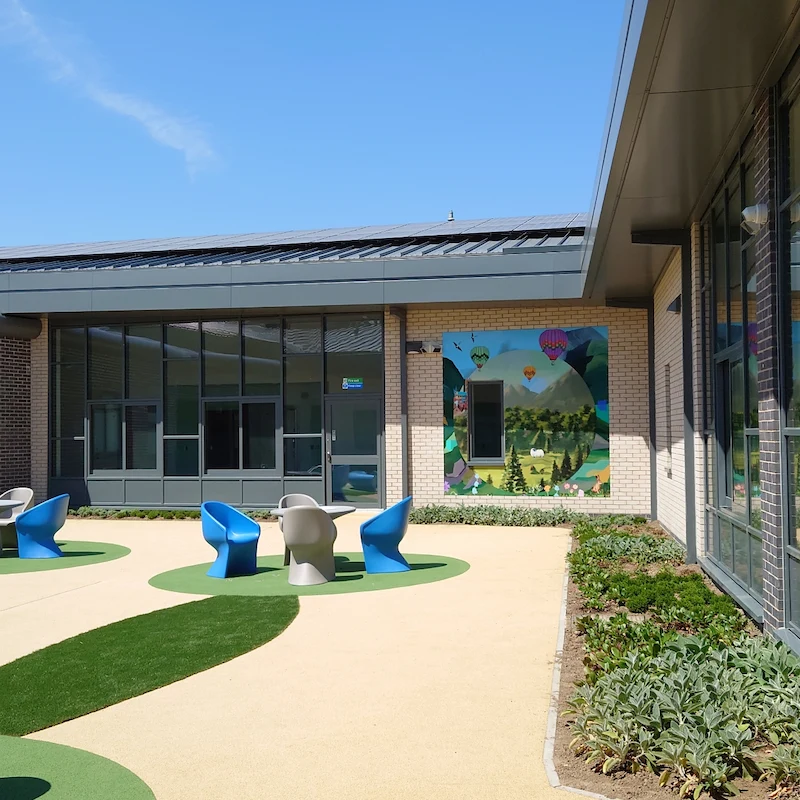
Alan Johnston Partnership provided full civil and structural engineering services for Aspen Wood, a 40-bed low secure mental health facility at Maghull Health Park, delivered as part of Mersey Care NHS Foundation Trust’s transformation of Learning Disability services. Completed in 2024 under the Procure 22 framework, the scheme provides two 20-bed wards within a carefully planned environment that supports recovery, dignity, and safety while avoiding institutional character.
The project was delivered on a constrained healthcare campus with a range of technical challenges, including surface water flood risk, mature tree protection zones, and ground conditions influenced by cohesive clay soils. Working closely with the Trust, architects Gilling Dod, and the contractor, our team optimised building platforms and external levels to minimise excavation and achieve a balanced cut-and-fill strategy, significantly reducing the need for imported materials.
Tailored foundation and substructure solutions were developed to accommodate tree influence and long-term ground performance, aligning sustainability objectives with robust engineering outcomes. The superstructure was designed to support a secure yet calm clinical environment, incorporating clear internal layouts, staff-only first-floor accommodation, and discreet servicing strategies to reduce disruption to patients and staff.
Aspen Wood also acts as a gateway project for the wider regeneration of the historic Ashworth Hospital estate into Maghull Health and Innovation Park. The scheme exemplifies AJP’s ability to deliver technically robust, clinically sensitive mental health infrastructure, complementing our broader portfolio of acute and specialist healthcare projects.
Engineering Principles Applied
Ground-responsive foundation design; optimised earthworks and levels strategy; coordinated civils and drainage in flood-constrained conditions; secure, non-institutional structural solutions supporting therapeutic environments
Lancashire & South Cumbria NHS Foundation Trust
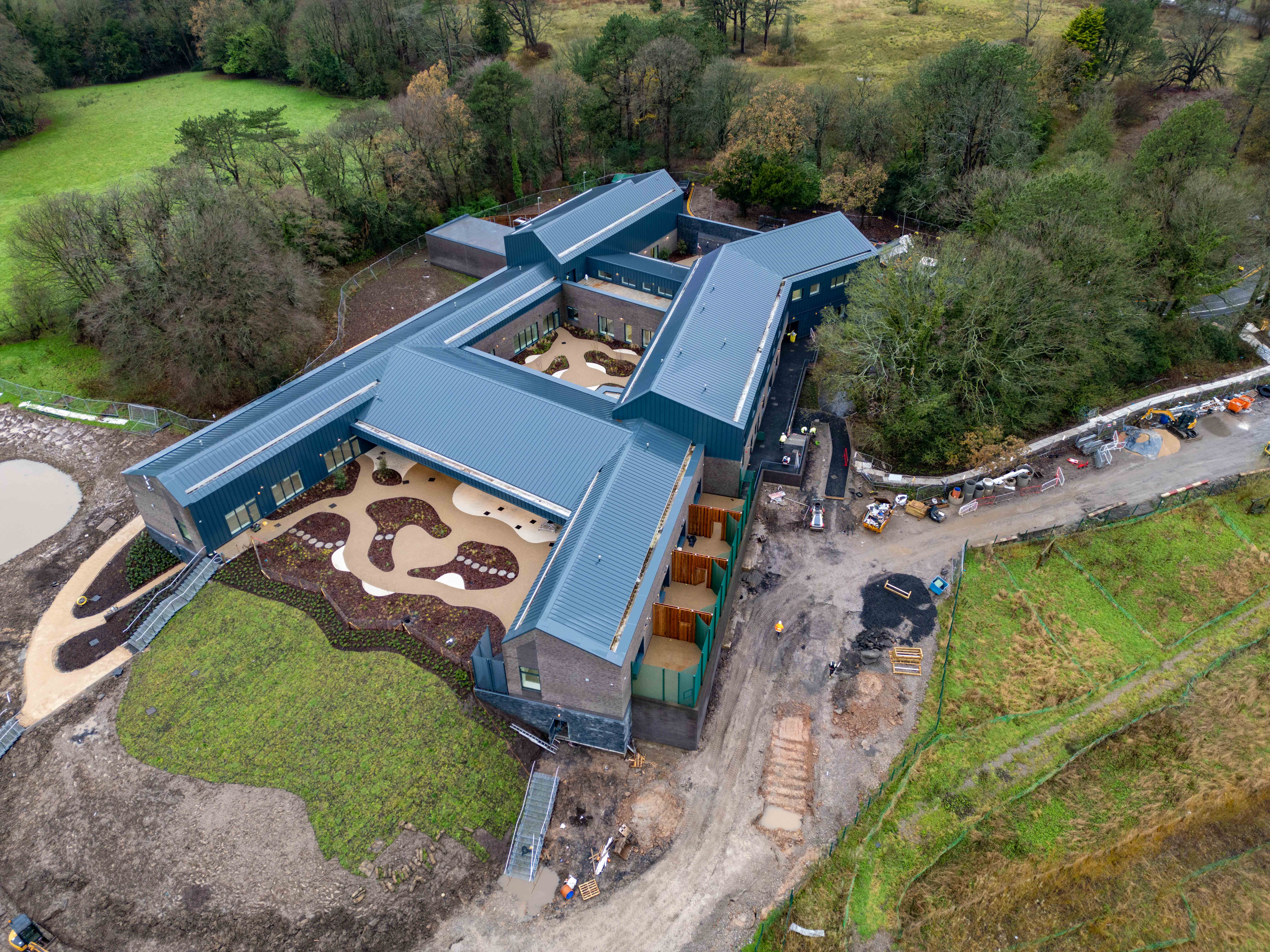
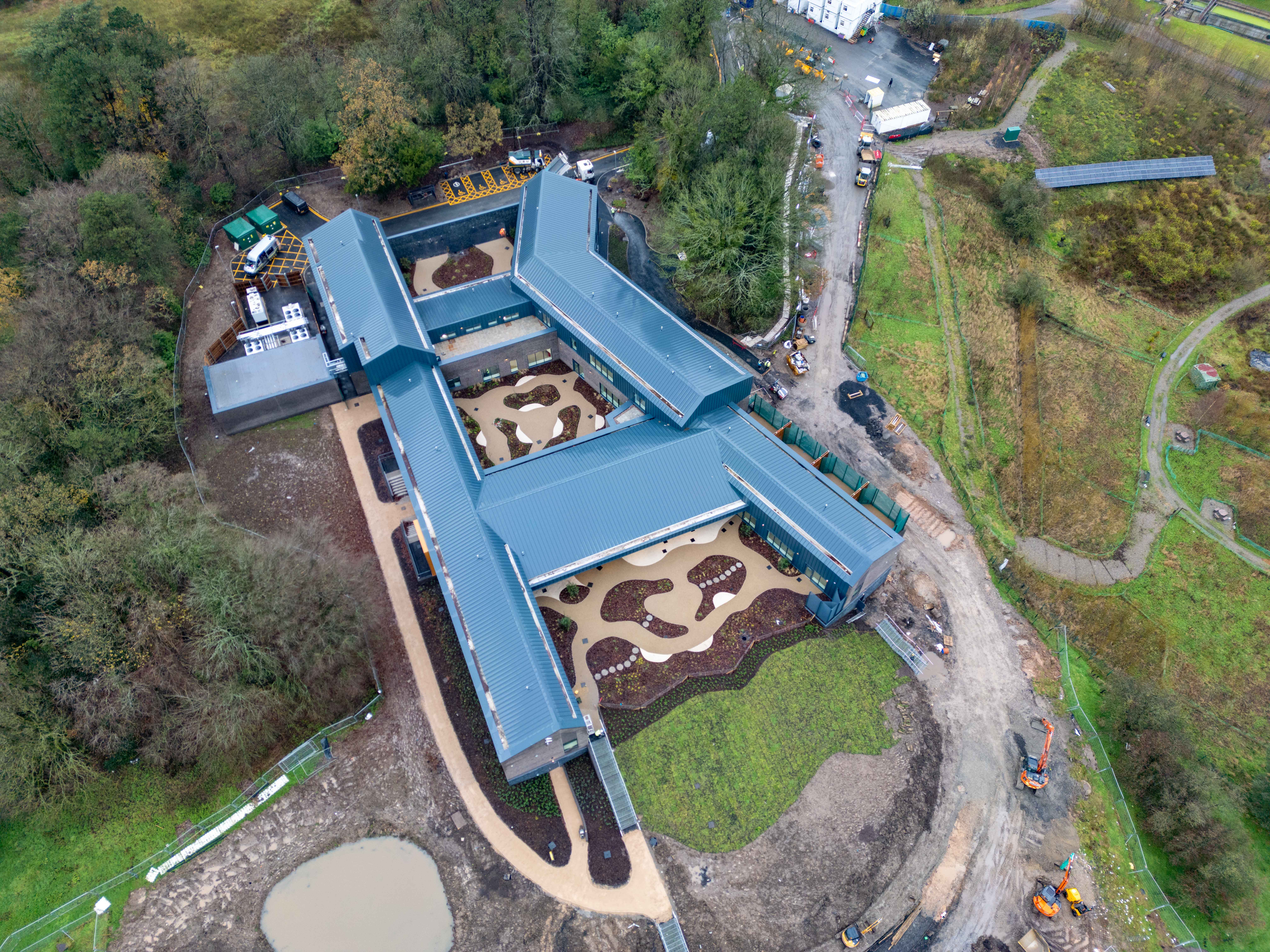
Alan Johnston Partnership is providing full civil and structural engineering services for Water Meadow View, a new Learning Disability and Low Secure mental health facility delivered for Lancashire & South Cumbria NHS Foundation Trust. The scheme forms part of the Trust’s wider programme to replace outdated accommodation with modern, therapeutic environments that promote dignity, recovery, and long-term resilience.
The development is located on a sloping site with challenging topography, requiring careful integration of building platforms, retaining structures, and external spaces. AJP led the development of an earthworks and levels strategy that balanced cut-and-fill requirements, reduced off-site material movements, and supported a practical, cost-effective construction solution. Extensive retaining wall arrangements were required and were rationalised through the use of precast systems to improve buildability, quality control, and programme certainty, while subtly supporting off-site manufacture opportunities.
Early ground modelling and optioneering informed foundation and substructure solutions, enabling the design to respond efficiently to site constraints while maintaining flexibility for future adaptation. Civil engineering works included a coordinated drainage strategy that made effective use of the semi-rural setting, incorporating attenuation swales and landscape-led SuDS features aligned with planning and environmental requirements.
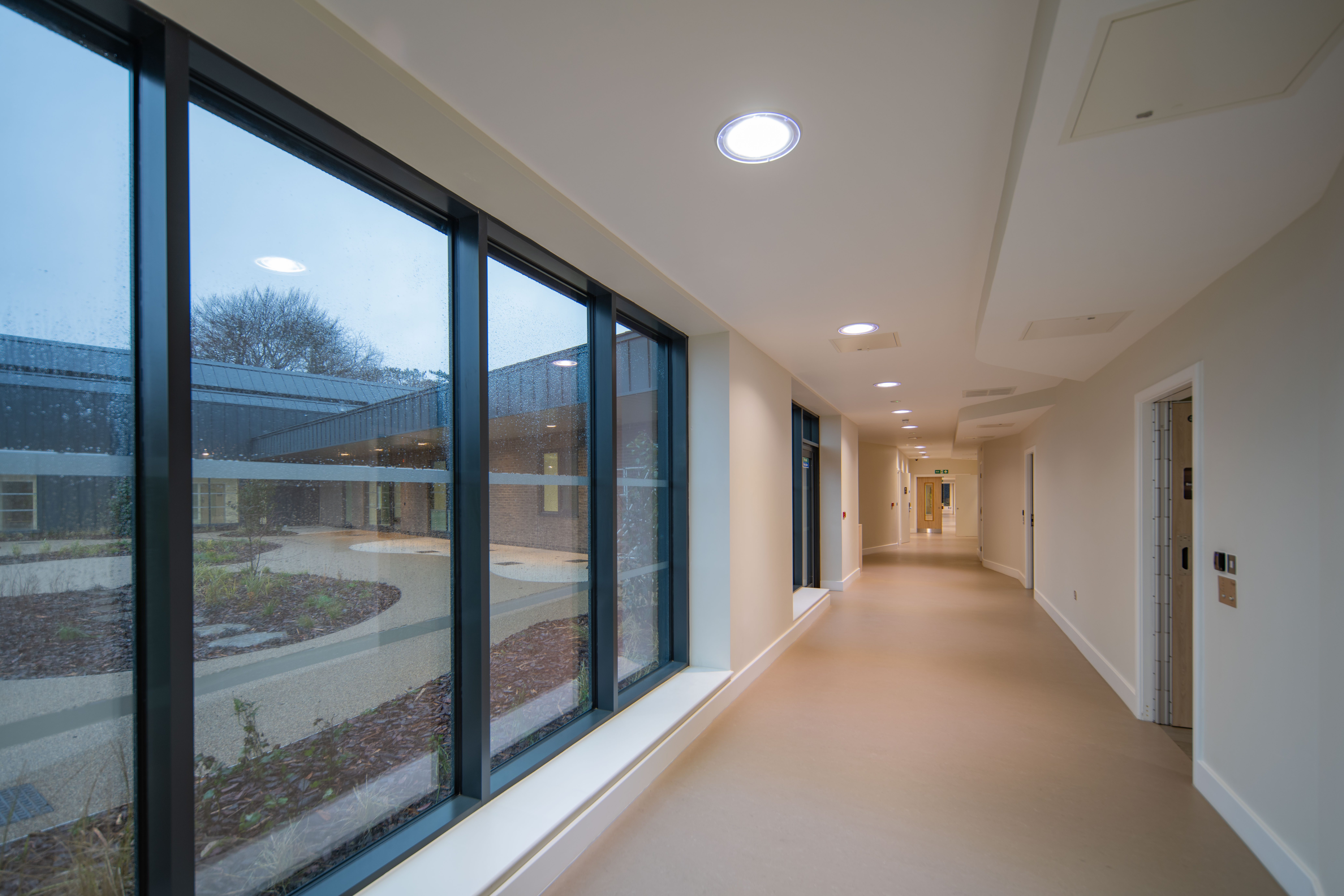
The external environment was engineered to support wellbeing, integrating courtyards, gardens, and viewing terraces within the overall levels strategy. The design aligns with a BREEAM Excellent target, demonstrating how robust civil and structural engineering can underpin high-quality, patient-centred mental health environments.
Engineering Principles Applied
Optimised earthworks and site levels; precast retaining wall systems; landscape-integrated drainage and SuDS; buildable substructure solutions supporting therapeutic outdoor spaces and future adaptability.
Lincolnshire Partnership NHS Foundation Trust
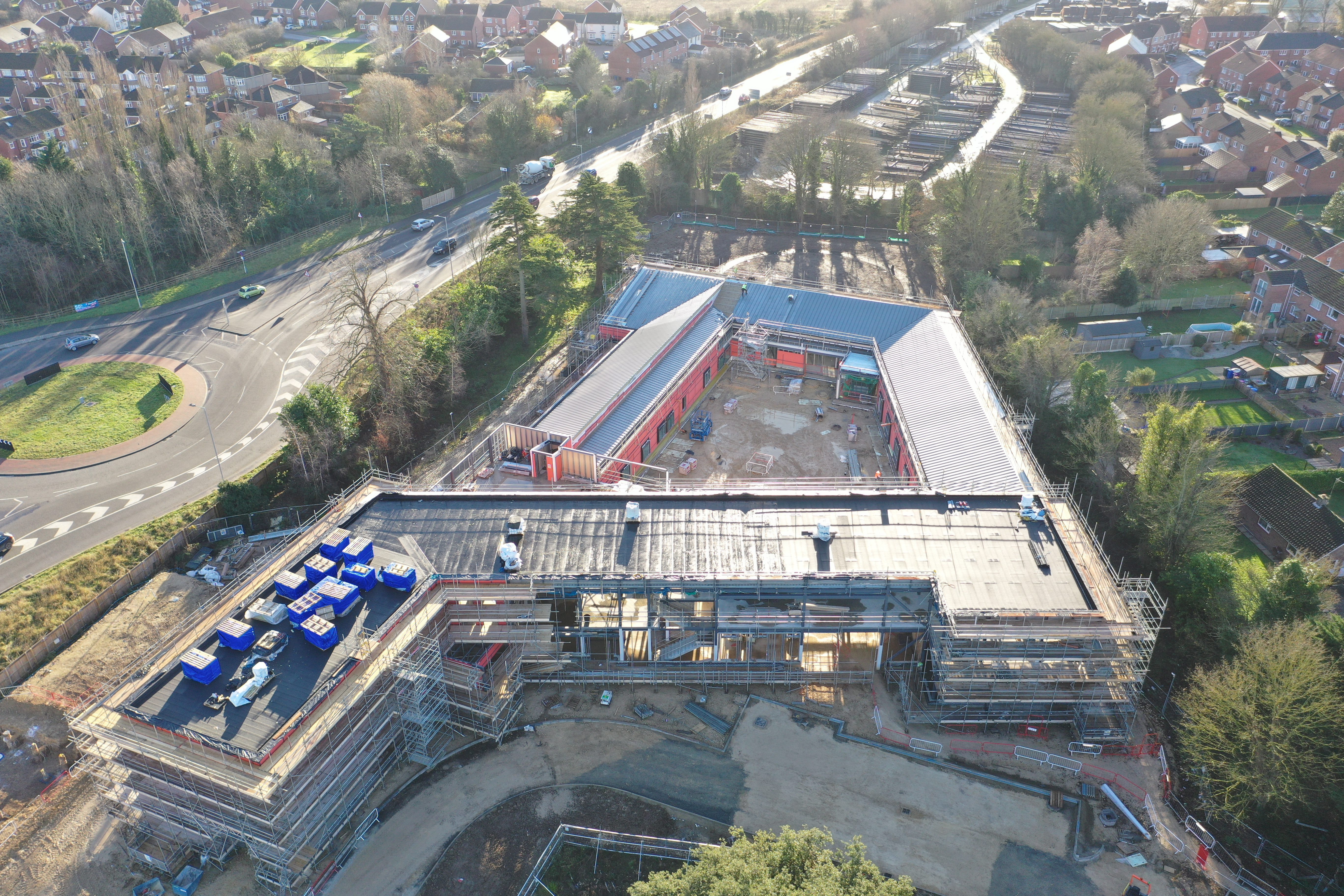
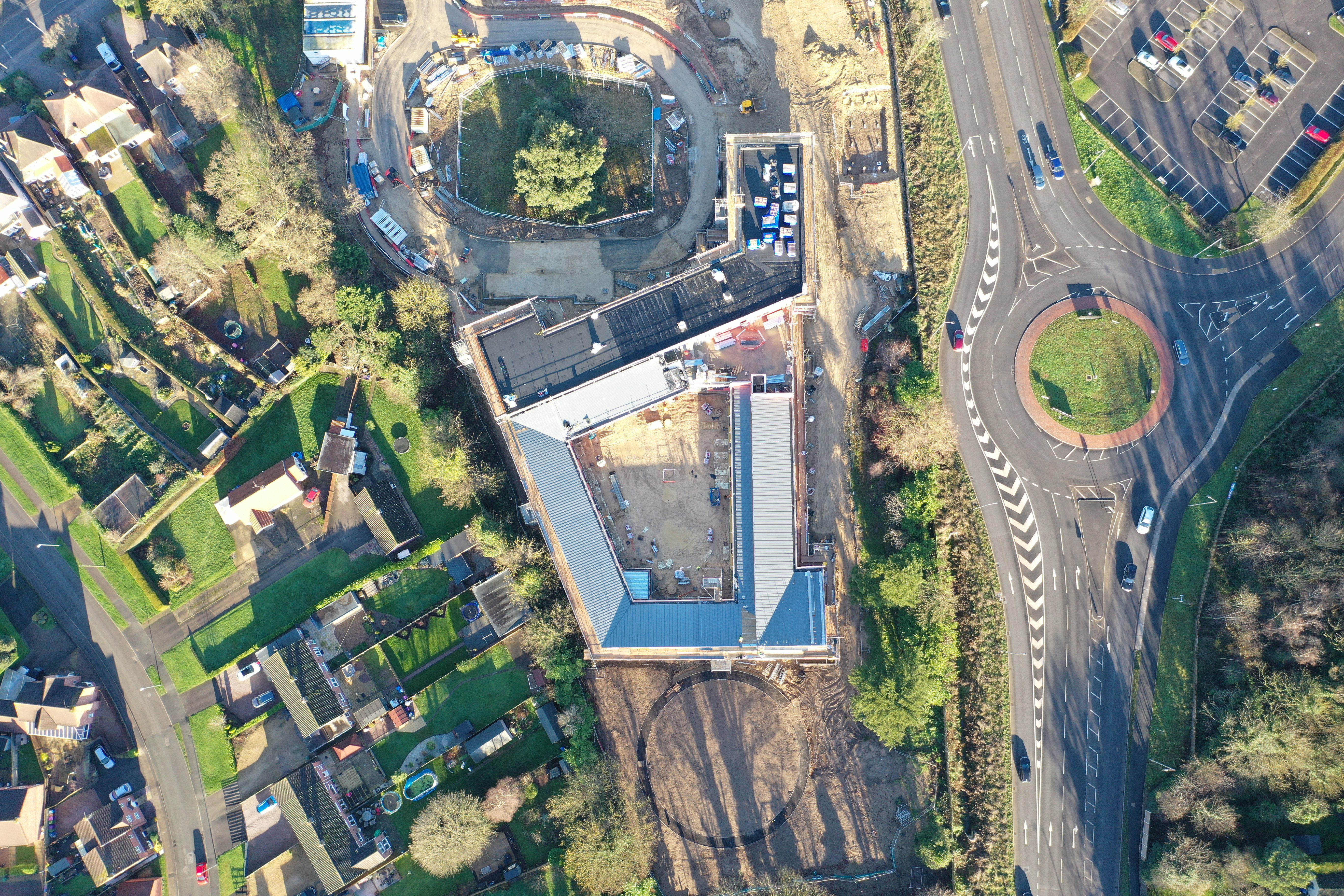
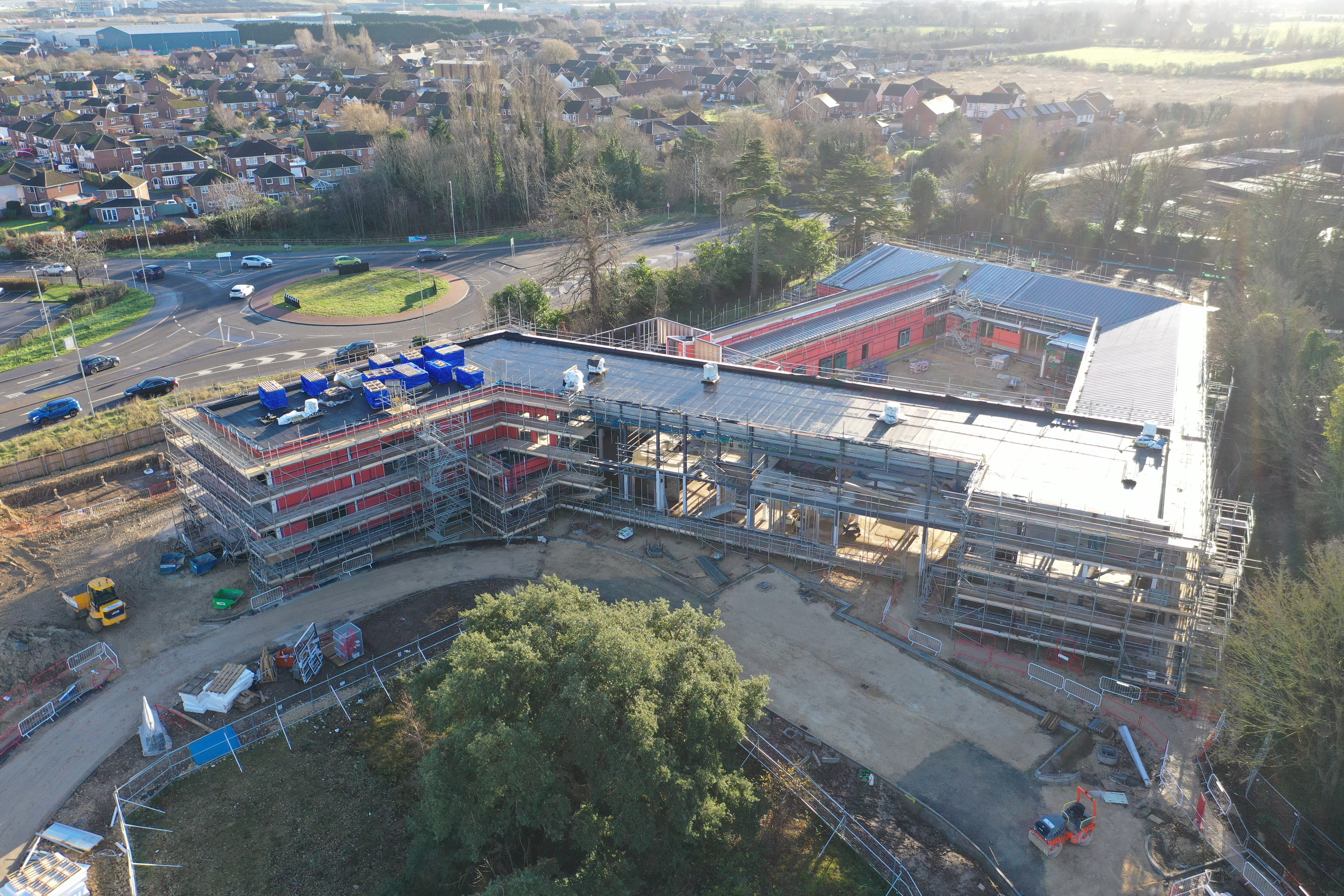
Alan Johnston Partnership is delivering full civil and structural engineering services for the Boston Norton Lea development, a new 20-bed acute inpatient mental health facility for Lincolnshire Partnership NHS Foundation Trust. The scheme forms part of the Trust’s programme to eliminate outdated dormitory-style accommodation and replace it with modern, single-occupancy ensuite wards that enhance privacy, dignity, and therapeutic outcomes.
The project is located on a technically challenging site characterised by flood risk constraints, compressible ground strata, heave-susceptible soils, and the presence of protected trees. AJP led the development of an integrated ground and civils strategy to address these risks holistically. This included extensive ground improvement works using deep soil mixing, combined with the controlled raising of site levels to provide flood mitigation while surcharging compressible soils to manage long-term settlement.
Foundation and substructure solutions were carefully coordinated with the earthworks strategy to ensure buildability, robustness, and long-term performance. Civil engineering design incorporated site-wide drainage and flood-risk mitigation measures appropriate to the rural context, ensuring resilience while meeting regulatory and planning requirements.
The building layout provides all patient accommodation at ground floor with direct access to landscaped courtyards. In response to the site’s rural setting, a nature garden has been integrated to support wellbeing and recovery. The project demonstrates AJP’s ability to resolve complex ground and flood constraints to deliver high-quality, patient-centred mental health environments, complementing our wider healthcare and acute hospital portfolio.
Engineering Principles Applied
Ground-improvement and soil-stabilisation strategies; integrated flood-mitigation and drainage design; coordinated substructure solutions for heave and settlement control; engineering-led support for therapeutic outdoor environments
Manchester University NHS Foundation Trust
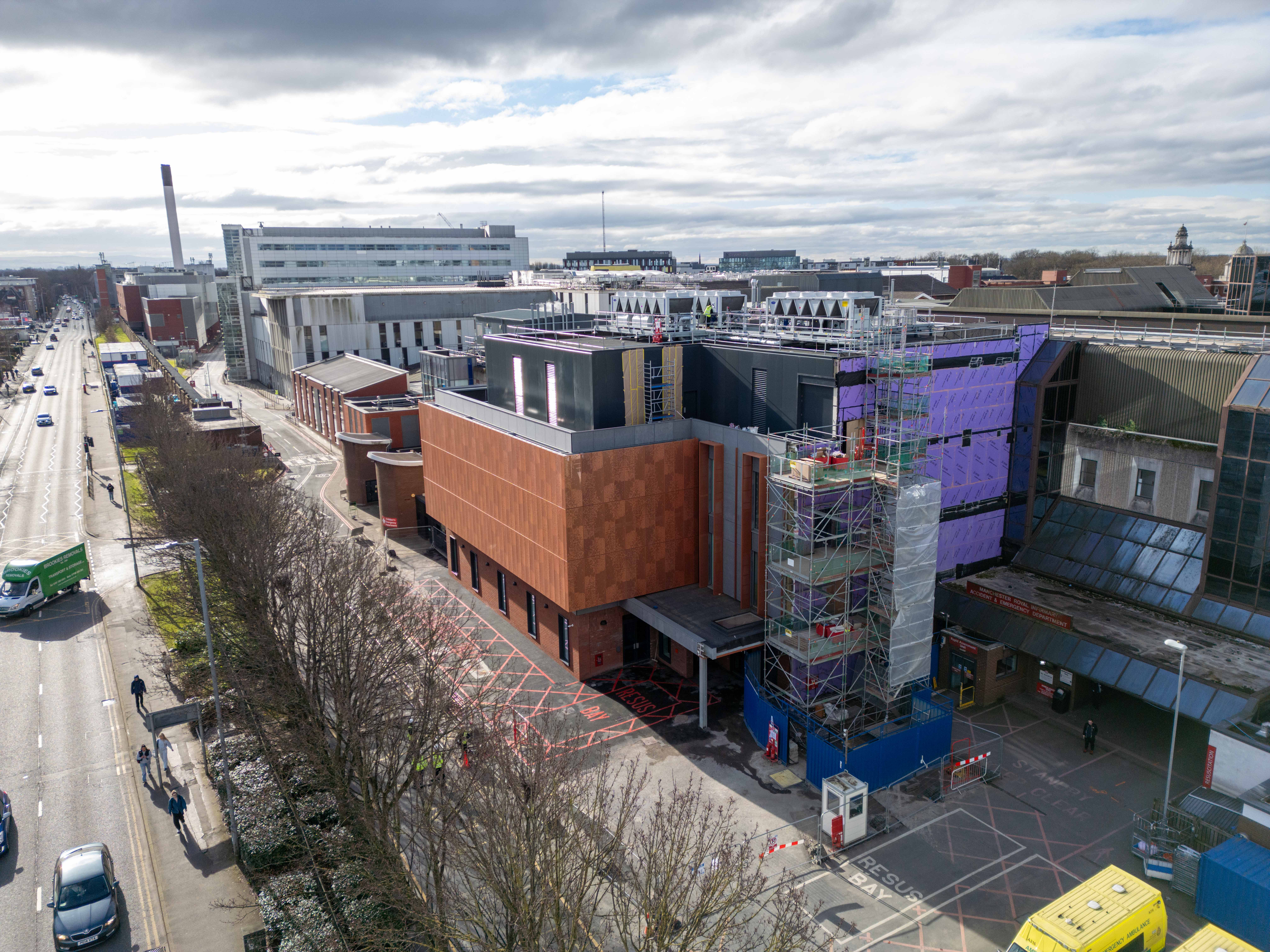
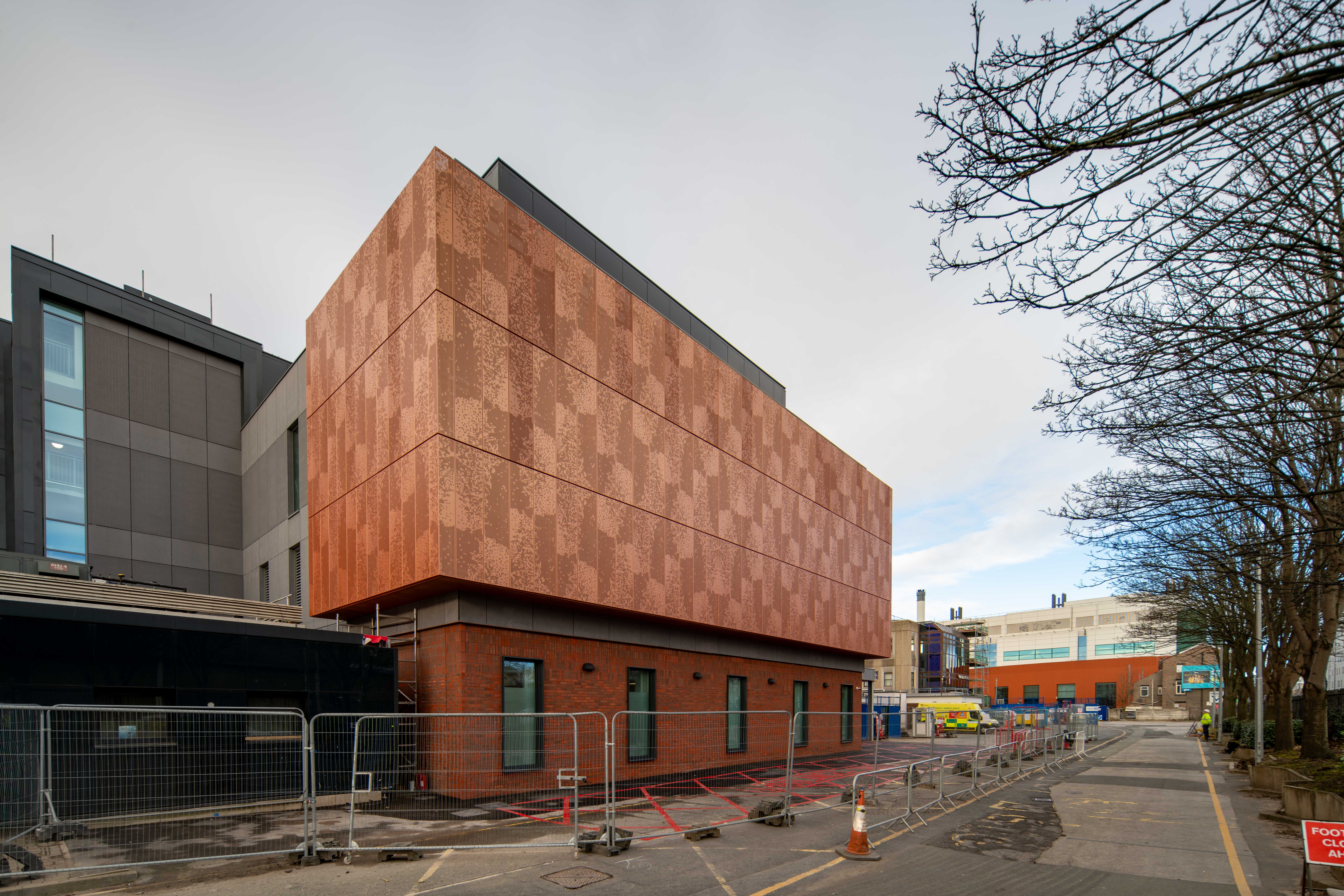
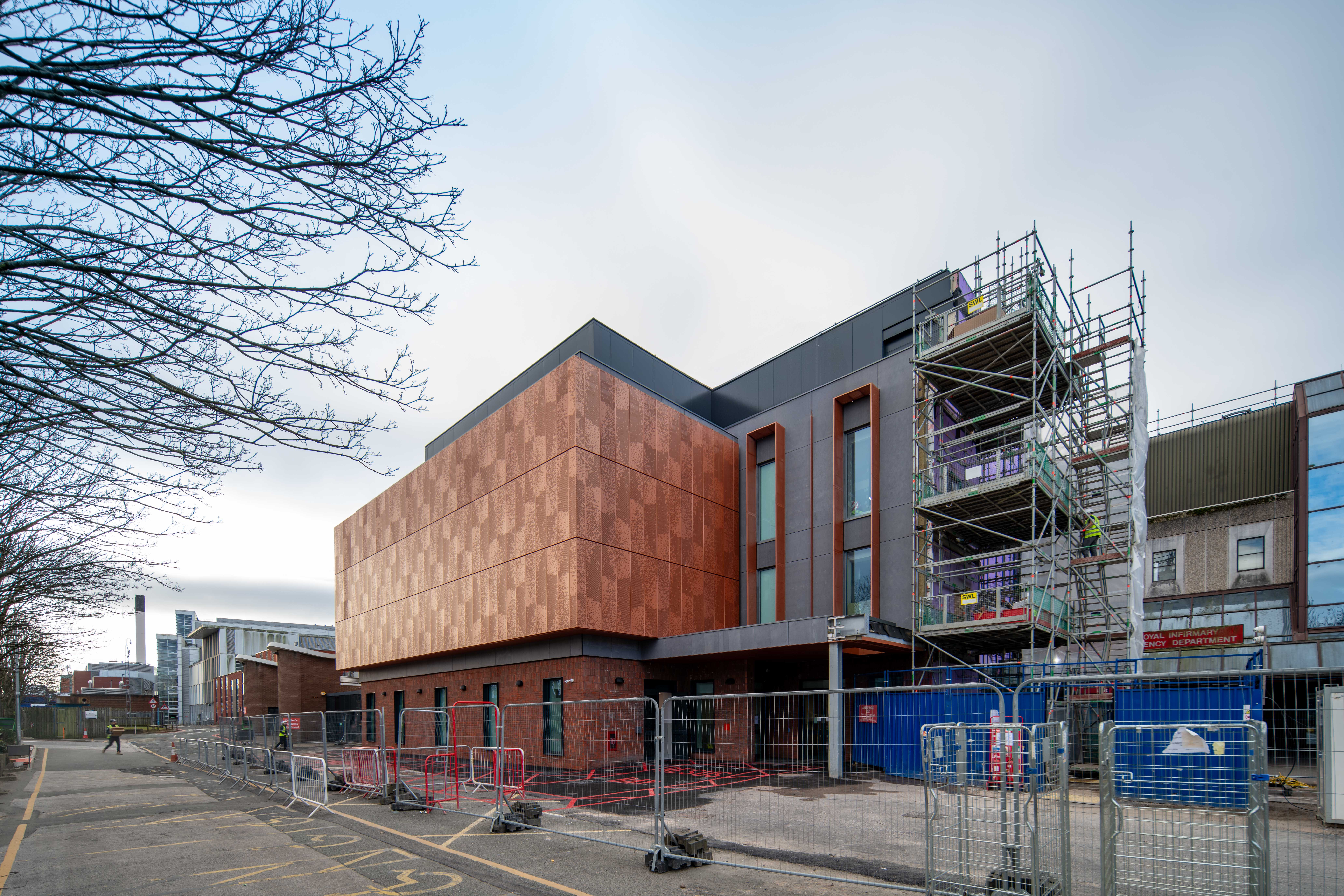
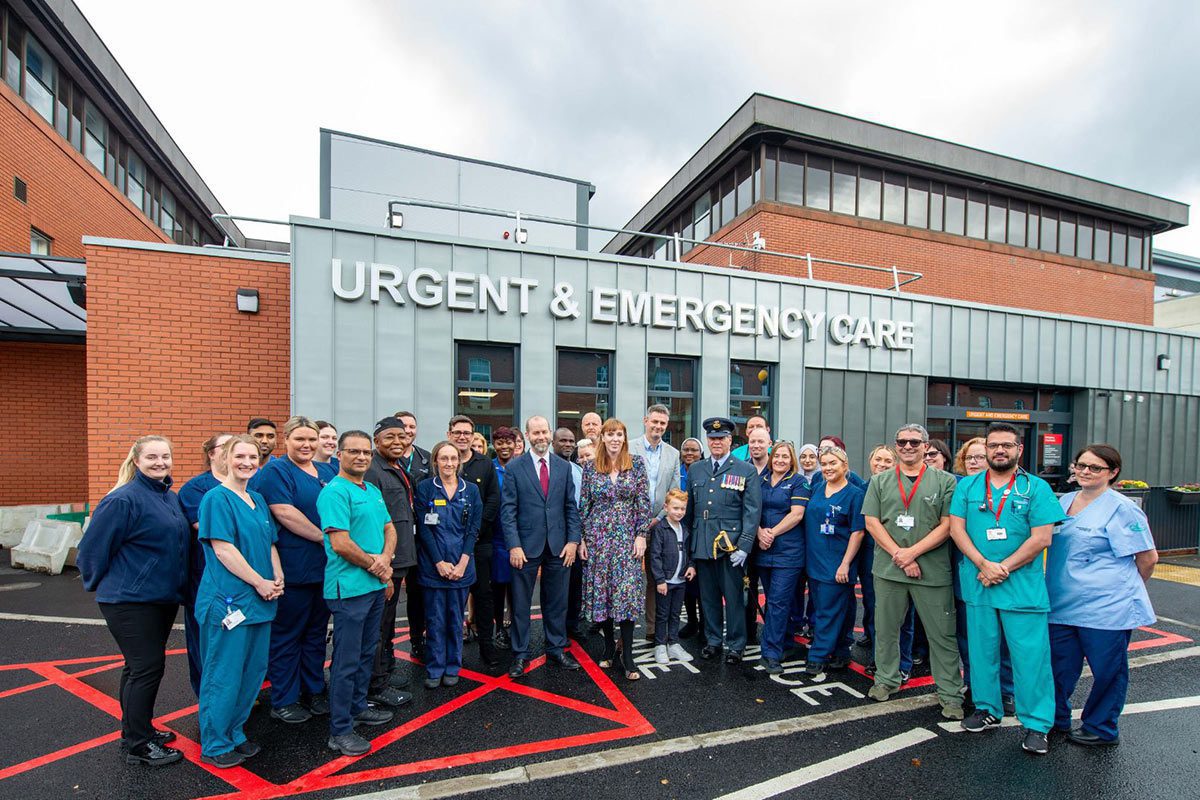
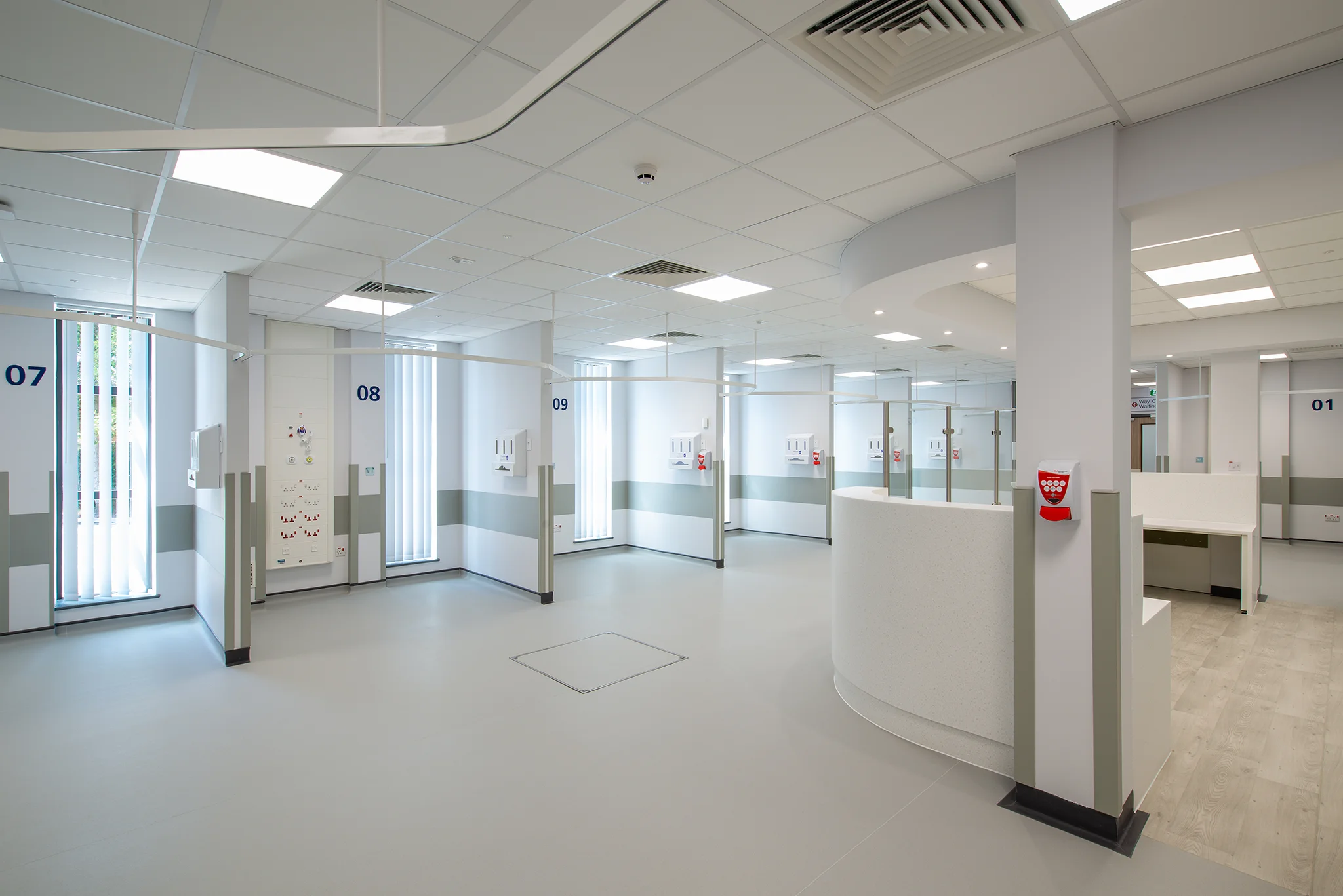
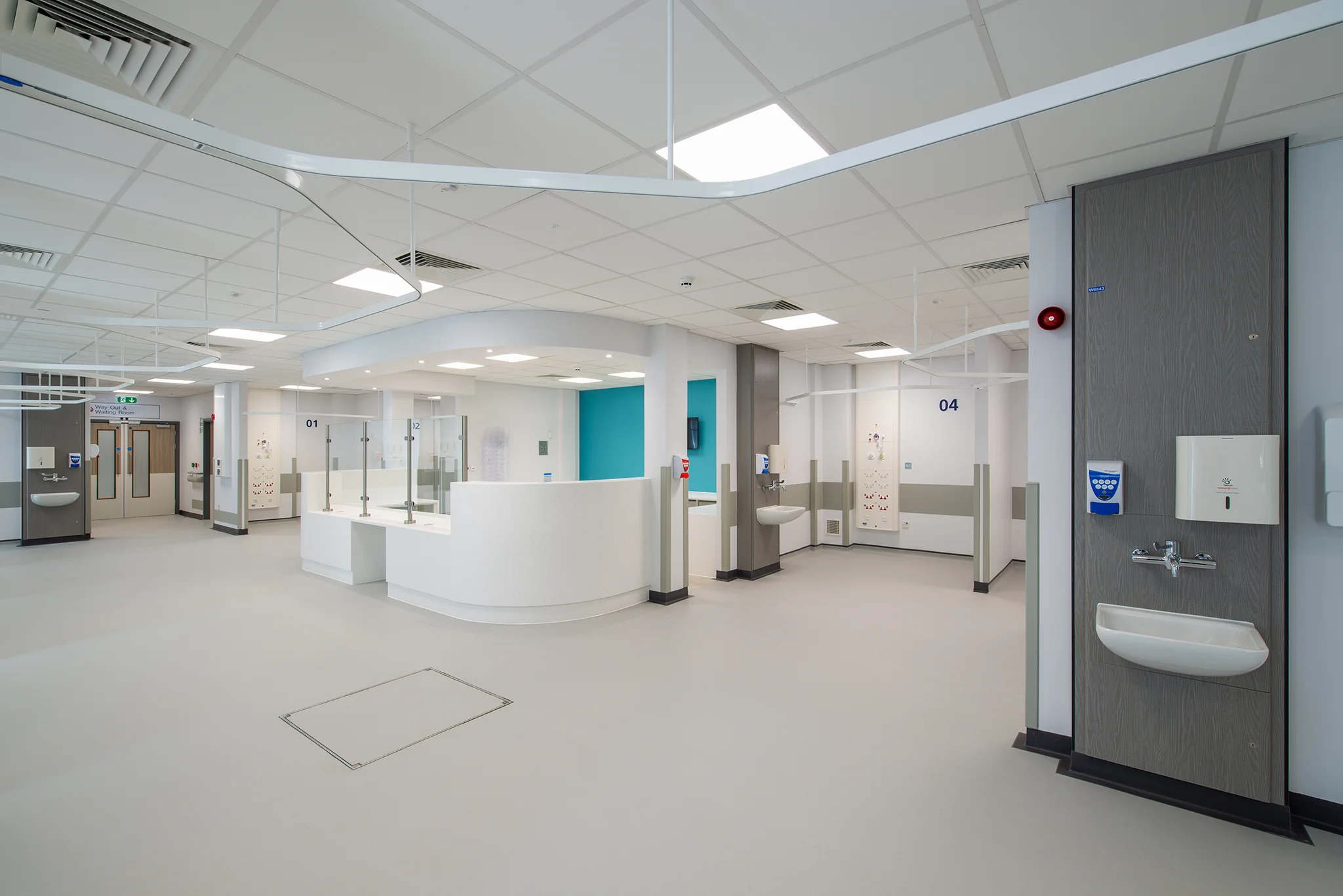
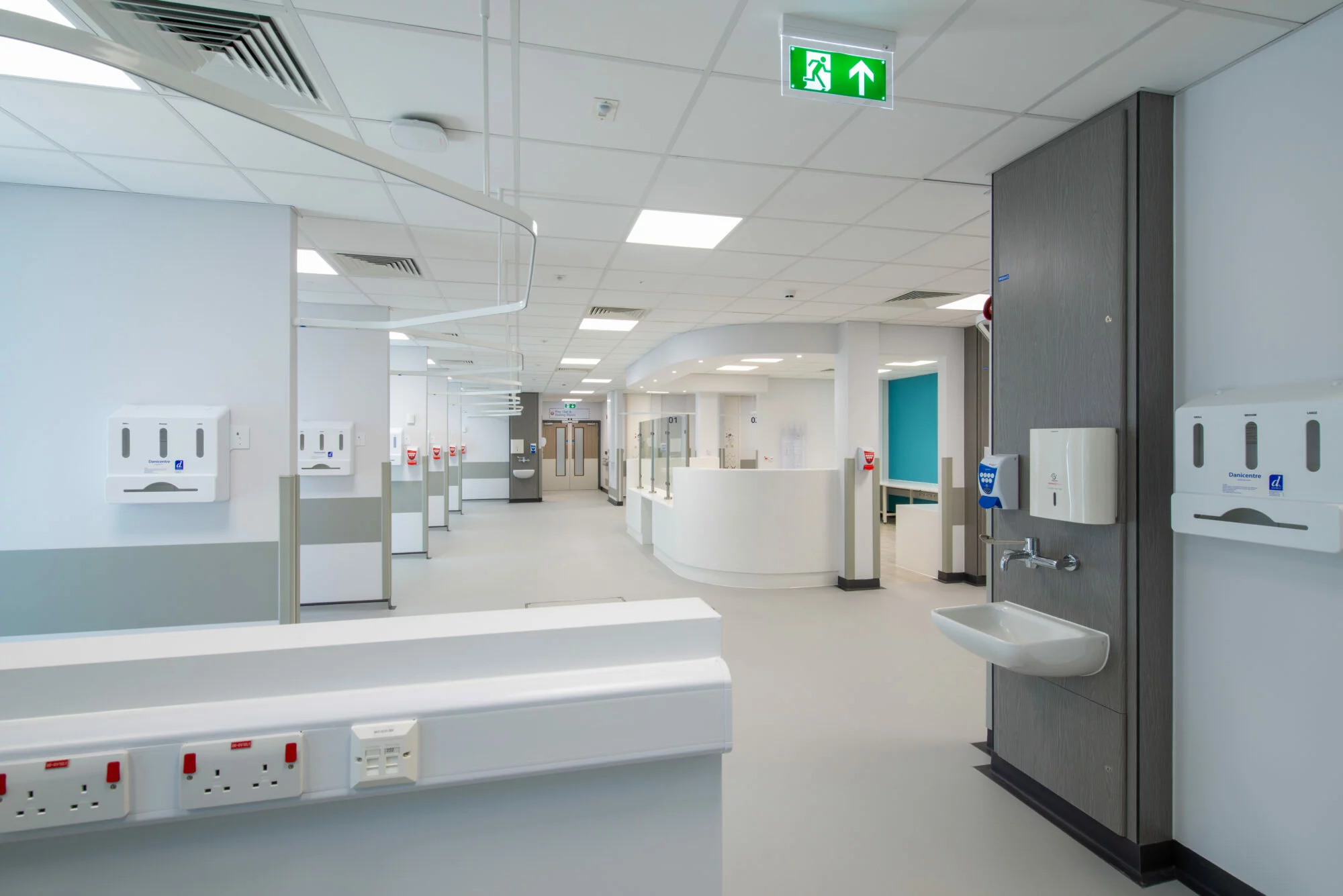
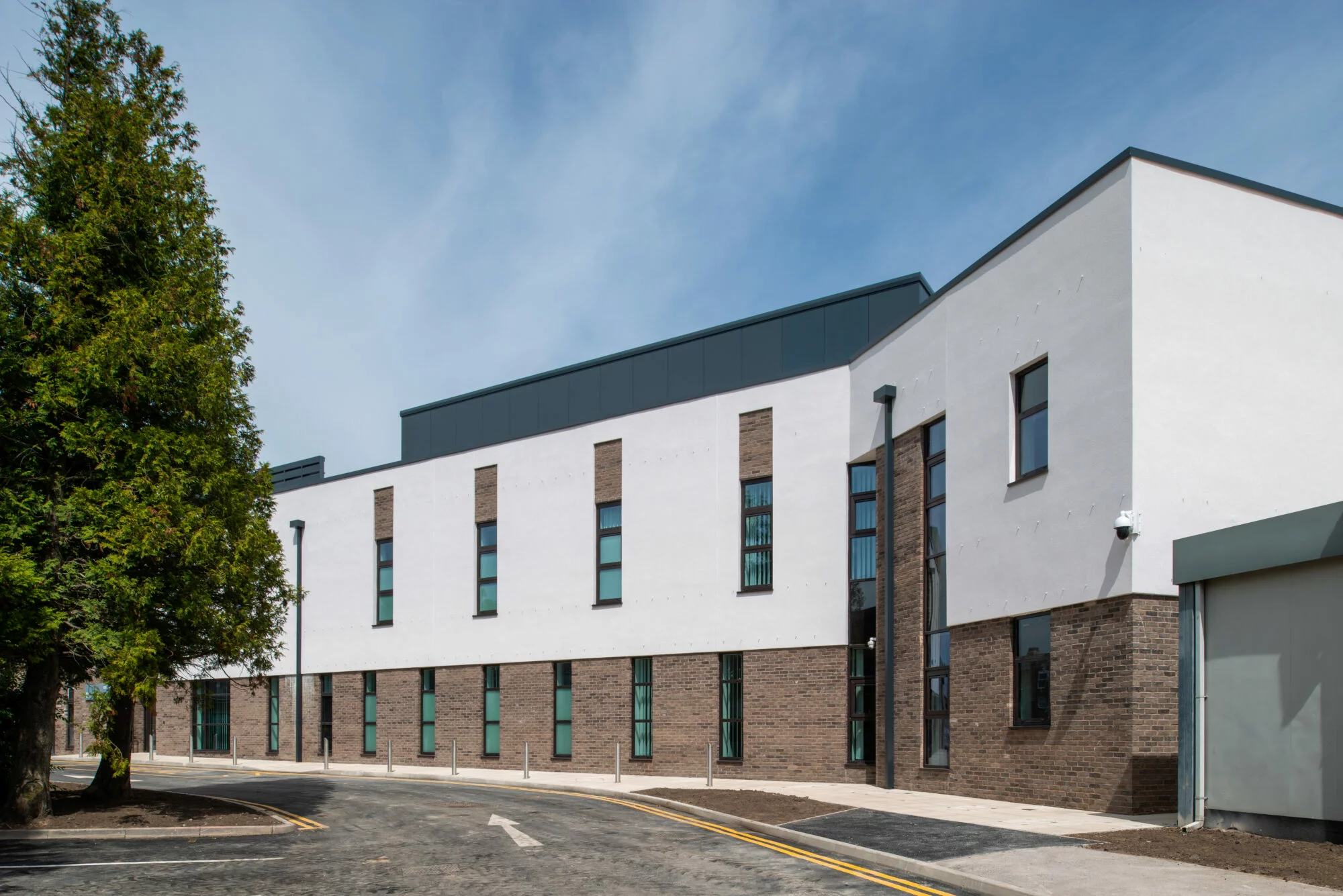
Alan Johnston Partnership is providing full civil and structural engineering services for Project RED, a £40 million redevelopment of the Emergency Department at Manchester Royal Infirmary, one of the region’s busiest adult Major Trauma Centres. Delivered under the Procure 22 framework with Integrated Health Projects with Mace Group acting on the Trust’s behalf, the project is being undertaken on a complex, fully operational acute hospital site.
The redevelopment significantly expands and reconfigures the Emergency Department to meet the demands of 21st-century healthcare. When complete, the facility will provide 10 resuscitation bays, 27 major cubicles and six new operating theatres, supporting improved patient flow, clinical efficiency and the hospital’s specialist surgical role. Phase 1 has been completed, with subsequent phases progressing to deliver extended Majors, Minors and Triage areas and new theatres above.
AJP’s role encompasses all civils, drainage, substructure and superstructure design, developed to enable phased construction while maintaining uninterrupted emergency services. Temporary access routes, structural sequencing and service diversions have been carefully coordinated to keep blue-light routes live and clinical areas fully operational throughout the works. Engineering solutions have focused on robustness, buildability and adaptability within a constrained estate, responding to existing structures and intensive operational requirements.
Project RED demonstrates AJP’s capability to deliver large-scale emergency department transformations within live trauma centres, balancing technical complexity with operational resilience and long-term estate value.
Engineering Principles Applied
Phased civil and structural delivery within a live Major Trauma Centre; coordination of temporary works and access to maintain blue-light routes; adaptable structural solutions integrated with existing estate; resilient drainage and substructure design supporting long-term emergency care capacity.
Doncaster and Bassetlaw Teaching Hospitals NHS Foundation Trust
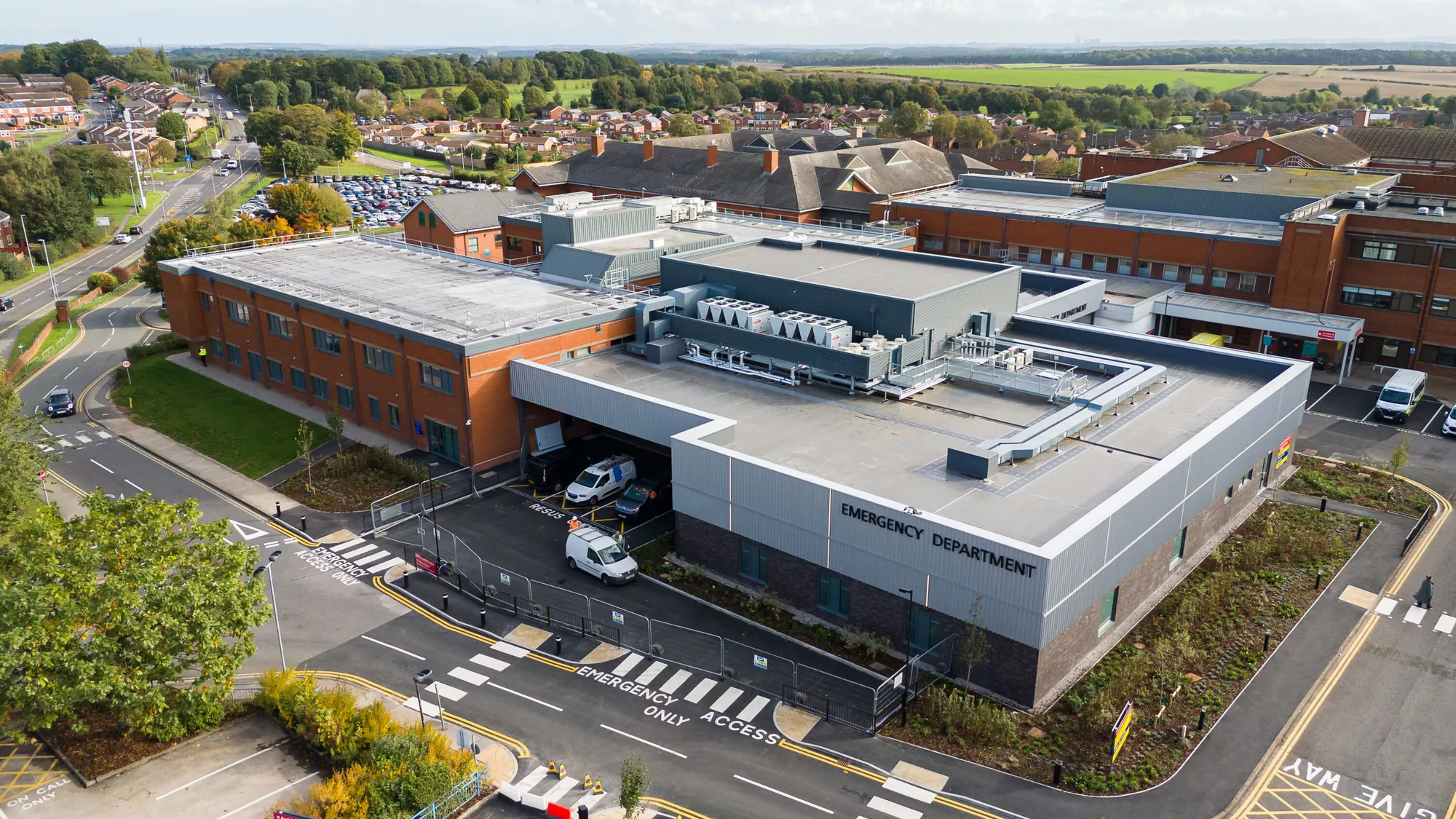
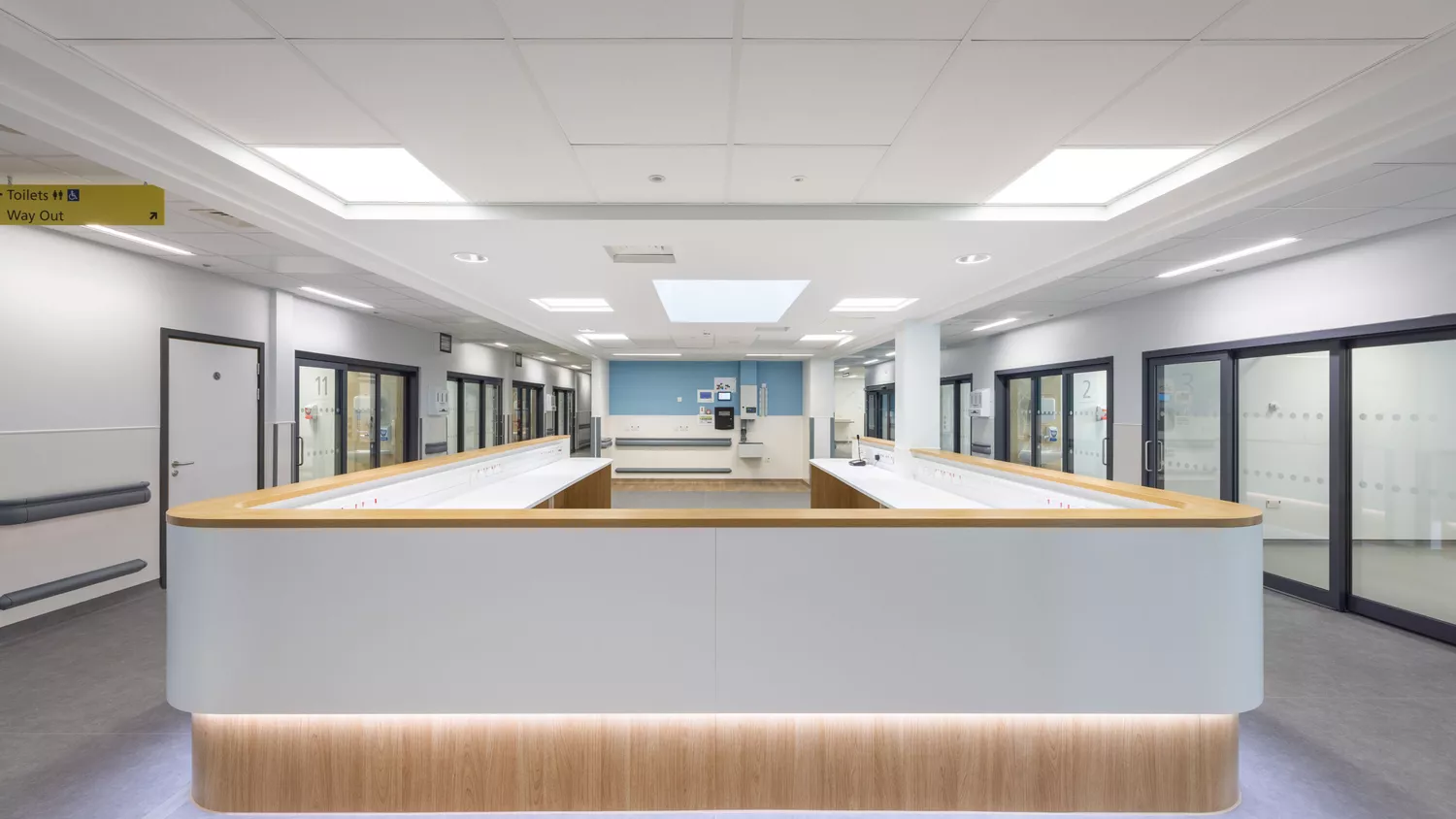
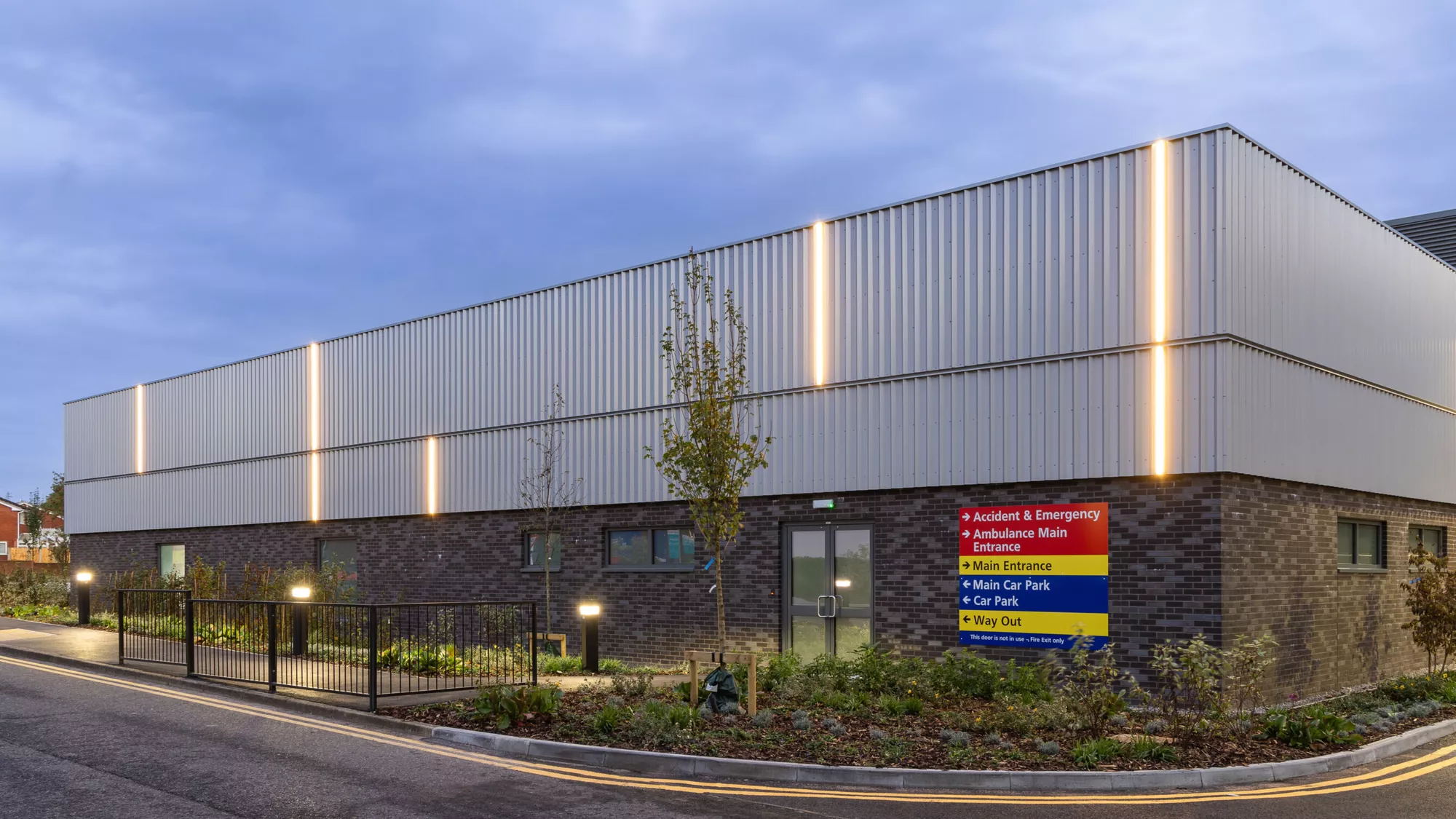
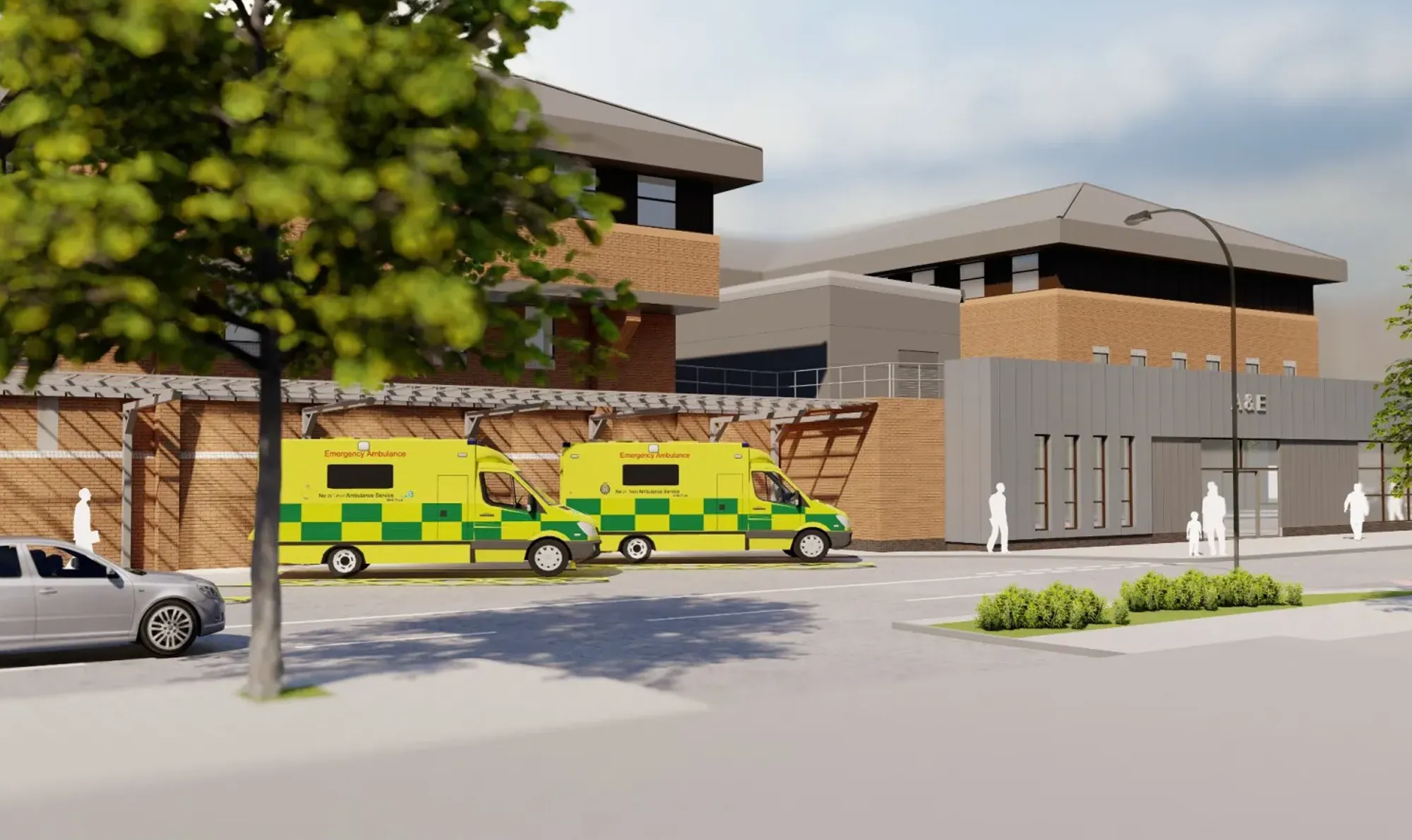
Alan Johnston Partnership delivered full civil and structural engineering services for the Bassetlaw Emergency Care Village, a £23 million redevelopment providing modern emergency, children’s assessment and acute medical facilities at Bassetlaw Hospital. The scheme was delivered under the Procure 22 framework with Integrated Health Projects as principal supply chain partner, working alongside P+HS Architects, on a highly constrained, live hospital campus immediately in front of the main public entrance.
The project combined new-build construction with significant enabling and estate works, including the removal of Reinforced Autoclaved Aerated Concrete (RAAC) roof construction from existing buildings. This intervention made the Trust the first in the UK to fully eradicate RAAC from its estate, delivering a safer, more resilient and future-ready clinical environment. Our role encompassed all civils, drainage, substructure and superstructure design, developed to maintain uninterrupted emergency department operations throughout construction.
AJP worked closely with the wider team to reconfigure external infrastructure, renewing roads and footways while keeping blue-light routes live and free of interruption at all times. Ambulance access, patient drop-off areas and pedestrian routes were carefully phased and coordinated to support operational continuity and safety across the campus.
The completed Emergency Care Village has transformed front-of-house emergency services at Bassetlaw Hospital, improving patient flow, accessibility and resilience, and demonstrating AJP’s expertise in delivering complex acute healthcare infrastructure within live operational environments.
Engineering Principles Applied
Live-site civil and structural coordination; RAAC removal and estate risk mitigation; phased construction maintaining uninterrupted blue-light access; integrated external works supporting emergency service resilience
Doncaster and Bassetlaw Teaching Hospitals NHS Foundation Trust
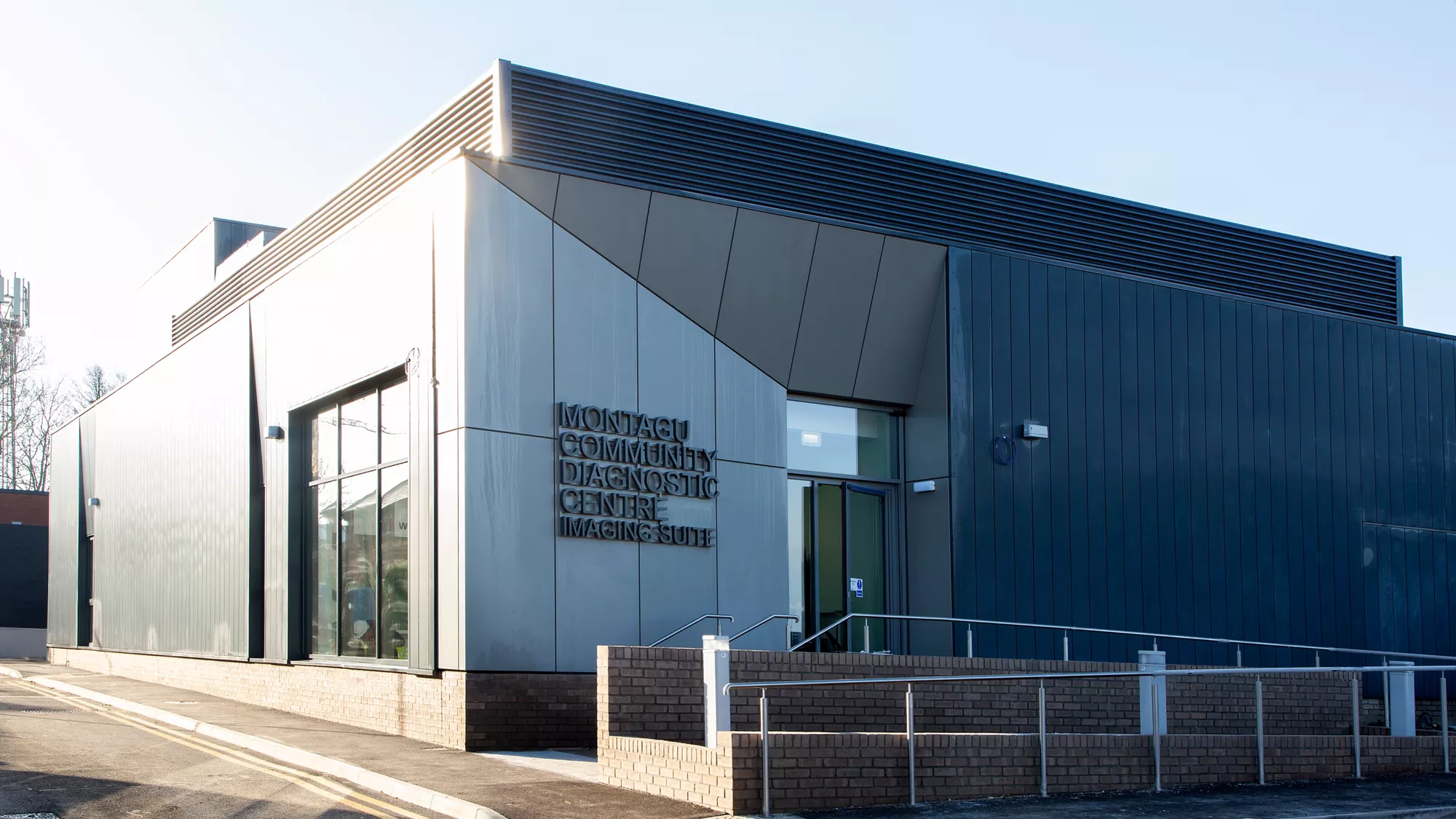
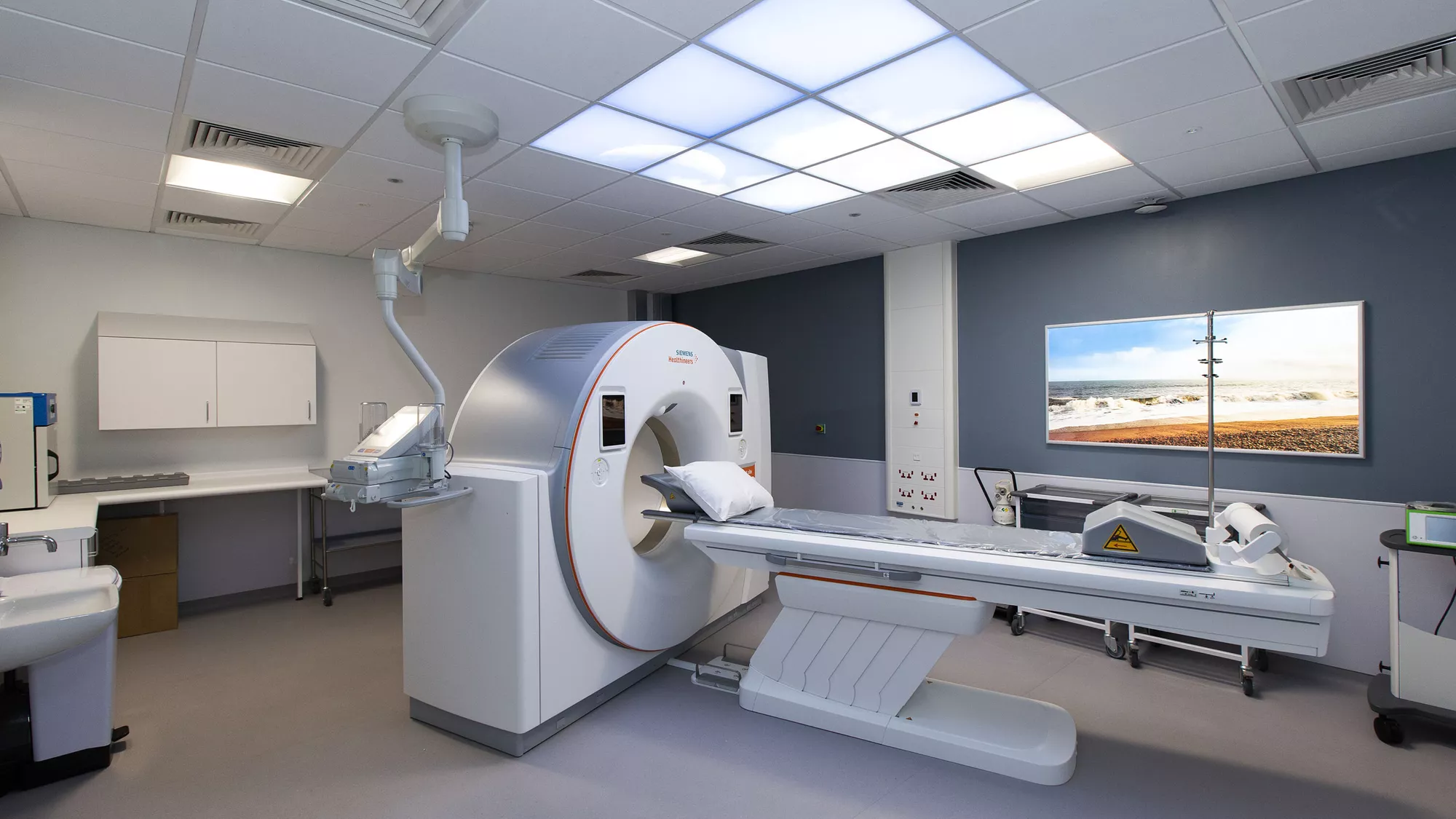
Alan Johnston Partnership delivered full civil and structural engineering services for the new Community Diagnostic Centre at Montagu Hospital, providing state-of-the-art imaging and diagnostic facilities to support faster diagnosis and improved patient outcomes. The scheme was delivered under the Procure 22 framework with Integrated Health Projects, working alongside P+HS Architects, and forms part of the national programme to expand community-based diagnostic capacity.
The project comprises a new-build imaging suite within a sensitive hospital estate, requiring careful integration with existing buildings, services and access arrangements. AJP’s role encompasses civils, drainage, substructure and superstructure design, developed to support specialist diagnostic equipment, controlled environments and clear operational adjacencies, while maintaining hospital activity throughout construction.
Particular emphasis was placed on early coordination of structural solutions with equipment loading, vibration control and spatial requirements to ensure long-term flexibility and reliable clinical performance. Civil engineering works were coordinated with existing estate infrastructure to manage servicing, access and patient movement safely and efficiently.
Delivered within a live healthcare environment, the Montagu CDC demonstrates AJP’s experience in translating complex clinical requirements into robust, buildable engineering solutions. The completed facility will significantly enhance local diagnostic provision, reducing pressure on acute hospitals and supporting the delivery of modern, accessible healthcare within the community.
Engineering Principles Applied
Early coordination with specialist diagnostic equipment; robust structural solutions accommodating controlled environments; integrated civils and drainage within live hospital estates; flexible design supporting future service adaptation.
Blackpool Teaching Hospitals NHS Foundation Trust
Alan Johnston Partnership delivered full civil and structural engineering services for the £25 million redevelopment of the Critical Care Unit (CCU) and Emergency Department at Blackpool Victoria Hospital. Delivered under the Procure 22 framework with Integrated Health Projects and Gilling Dod Architects, the scheme comprised a major new-build extension alongside the phased refurbishment of the existing Emergency Department within a live acute hospital environment.
The project included a new three-storey extension providing Same Day Emergency Care at ground level, CCU support accommodation at first floor, a 16-bed Critical Care Unit at second floor, and a rooftop plant enclosure. The new build element was delivered on a highly constrained site bounded by existing hospital buildings on three sides, requiring careful consideration of construction methodology, noise, vibration, and sequencing to protect adjacent clinical services.
In parallel, the existing Emergency Department was remodelled over four carefully managed phases, including a courtyard infill and internal reconfiguration to deliver new Majors, Resuscitation, Triage and Rapid Assessment and Treatment areas. AJP’s scope covered all civils, drainage, substructure and superstructure design, with particular emphasis on maintaining uninterrupted emergency services throughout construction.
The phased adaptation of existing drainage and structural systems was critical to keeping live clinical areas operational while enabling the introduction of new facilities. The completed scheme has significantly improved patient flow, staff efficiency and critical care capacity, demonstrating AJP’s expertise in delivering complex acute healthcare infrastructure on constrained, live hospital sites.
Engineering Principles Applied Phased structural and drainage adaptation within live emergency departments; constrained-site new-build design; vibration- and noise-aware construction strategies; civil and structural solutions supporting uninterrupted acute and critical care services.
Lincolnshire Partnership NHS Foundation Trust
Alan Johnston Partnership provided full civil and structural engineering services for the delivery of two new acute inpatient mental health wards at the Peter Hodgkinson Centre in Lincoln. Completed in 2023, the scheme forms a key part of the Trust’s programme to eradicate outdated dormitory-style accommodation and replace it with high-quality, single ensuite facilities that prioritise dignity, privacy, and recovery.
The project delivered two 19-bed wards, Ellis and Castle, each arranged around calm, therapeutic layouts with direct ground-floor access to landscaped courtyards. These external spaces were integral to the clinical model, supporting patient wellbeing and recovery while maintaining appropriate levels of safety and observation. Internally, the wards are connected by a shared support spine and incorporate flexible care areas, including an Extra Care suite capable of adapting to changing clinical needs.
The works were undertaken within a live hospital environment and delivered during a compressed programme at the height of the COVID-19 pandemic. AJP’s role encompassed all civil, drainage, substructure, and superstructure design, developed with a strong emphasis on buildability, robustness, and minimal disruption to ongoing services. Security requirements were sensitively integrated into the structural design without creating an institutional character.
The project was delivered on time and to budget and has received national recognition, including the 2023 Design in Mental Health Network Award for Best Service User Engagement, reflecting the scheme’s co-produced and patient-centred approach.
Engineering Principles Applied
Robust, buildable structural solutions for live-site delivery; integrated civils and drainage within constrained hospital settings; flexible ward layouts supporting evolving clinical models; engineering-led support for therapeutic courtyard environments.
Tameside and Glossop Integrated Care NHS Foundation Trust
Alan Johnston Partnership delivered full civil and structural engineering services for the £20 million redevelopment of the Emergency Department at Tameside Hospital. The scheme was delivered under the Procure 22 framework with Integrated Health Projects on a tightly constrained, live hospital campus, with a core objective of modernising facilities while maintaining uninterrupted emergency services.
The project combined new-build elements with extensive internal alterations and refurbishment to replan the existing department. New waiting areas and upgraded clinical accommodation were introduced alongside improved access for blue-light vehicles, supporting safer, more efficient patient flow and emergency response. AJP’s scope encompassed all civils, drainage, substructure and superstructure design, developed to enable a complex phasing strategy that kept adjacent clinical areas fully operational throughout construction.
Given the age and configuration of the existing estate, numerous structural surveys and staged investigations were undertaken as access became available. Engineering solutions were adapted as the works progressed, requiring close coordination with the contractor and site teams. Modifications and diversions to both internal and external drainage networks were carefully sequenced to avoid service disruption while accommodating the revised layouts.
Throughout construction, the project team worked within a highly restrictive environment, safeguarding ambulance drop-off points, pedestrian routes and emergency access at all times. The completed Emergency Department provides a significantly improved environment for patients and staff and demonstrates AJP’s capability to deliver complex, phased acute healthcare redevelopment within live operational settings.
Engineering Principles Applied
Phased civil and structural delivery within a live emergency department; detailed survey-led adaptation of existing structures; coordinated drainage diversions maintaining clinical continuity; protection of blue-light access and pedestrian routes throughout construction.
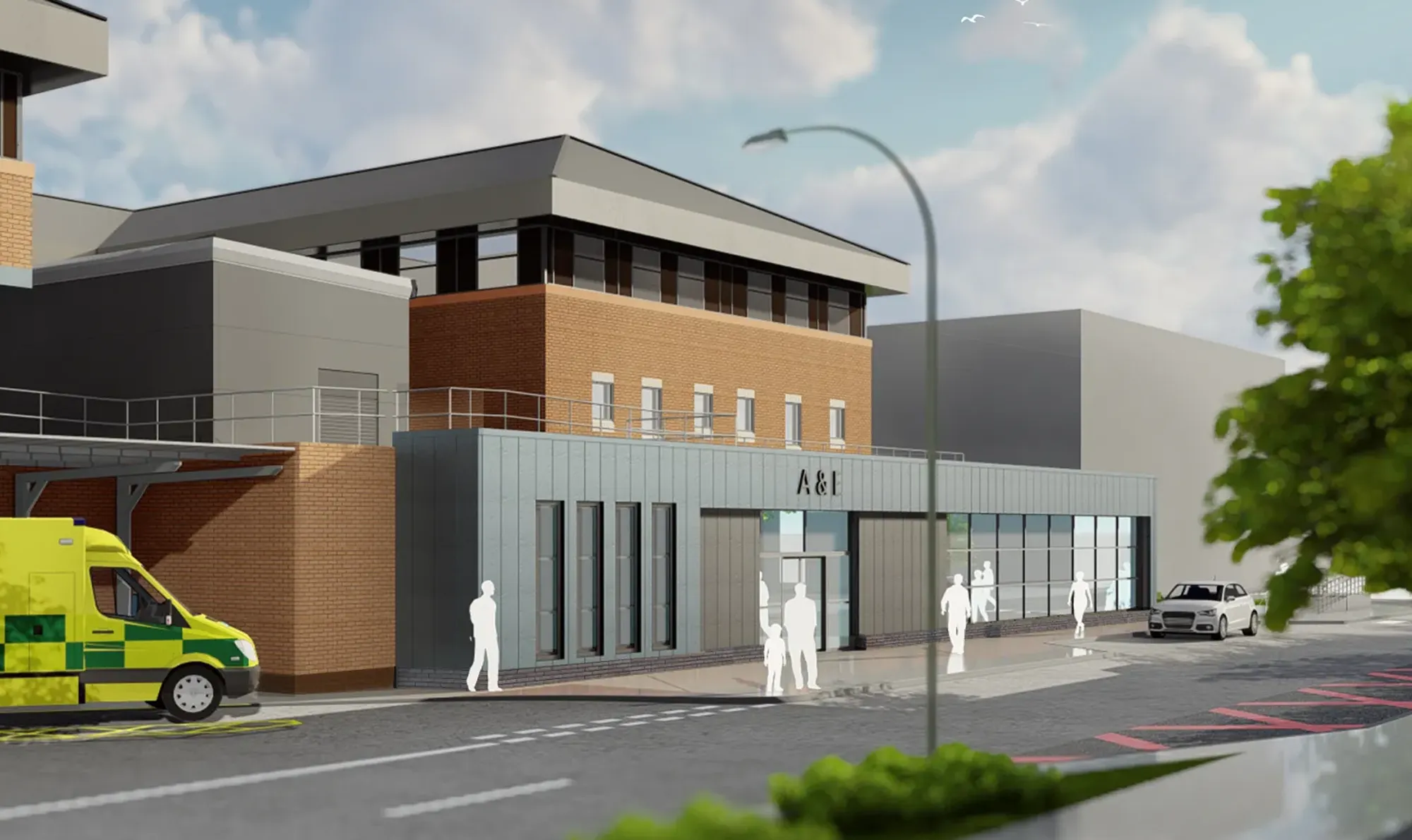
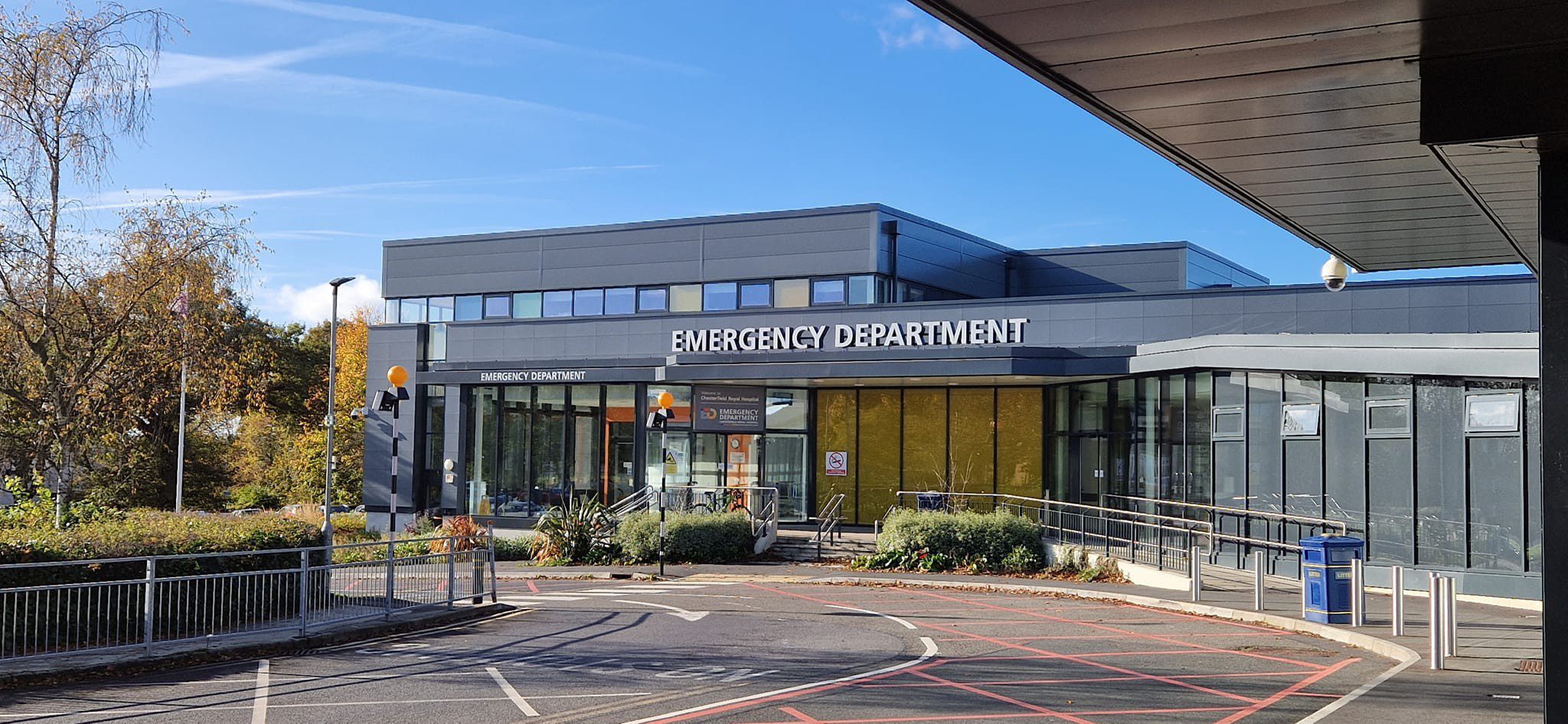
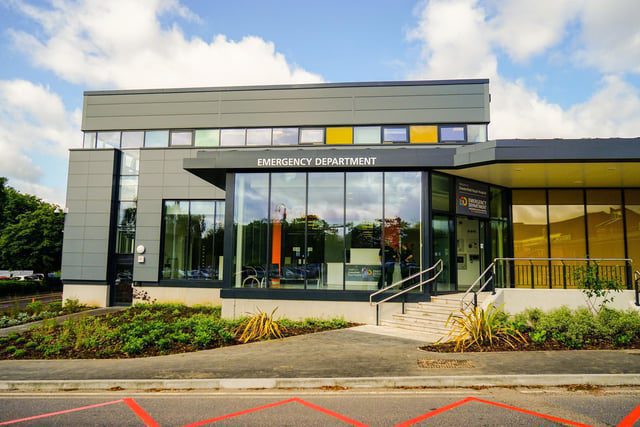
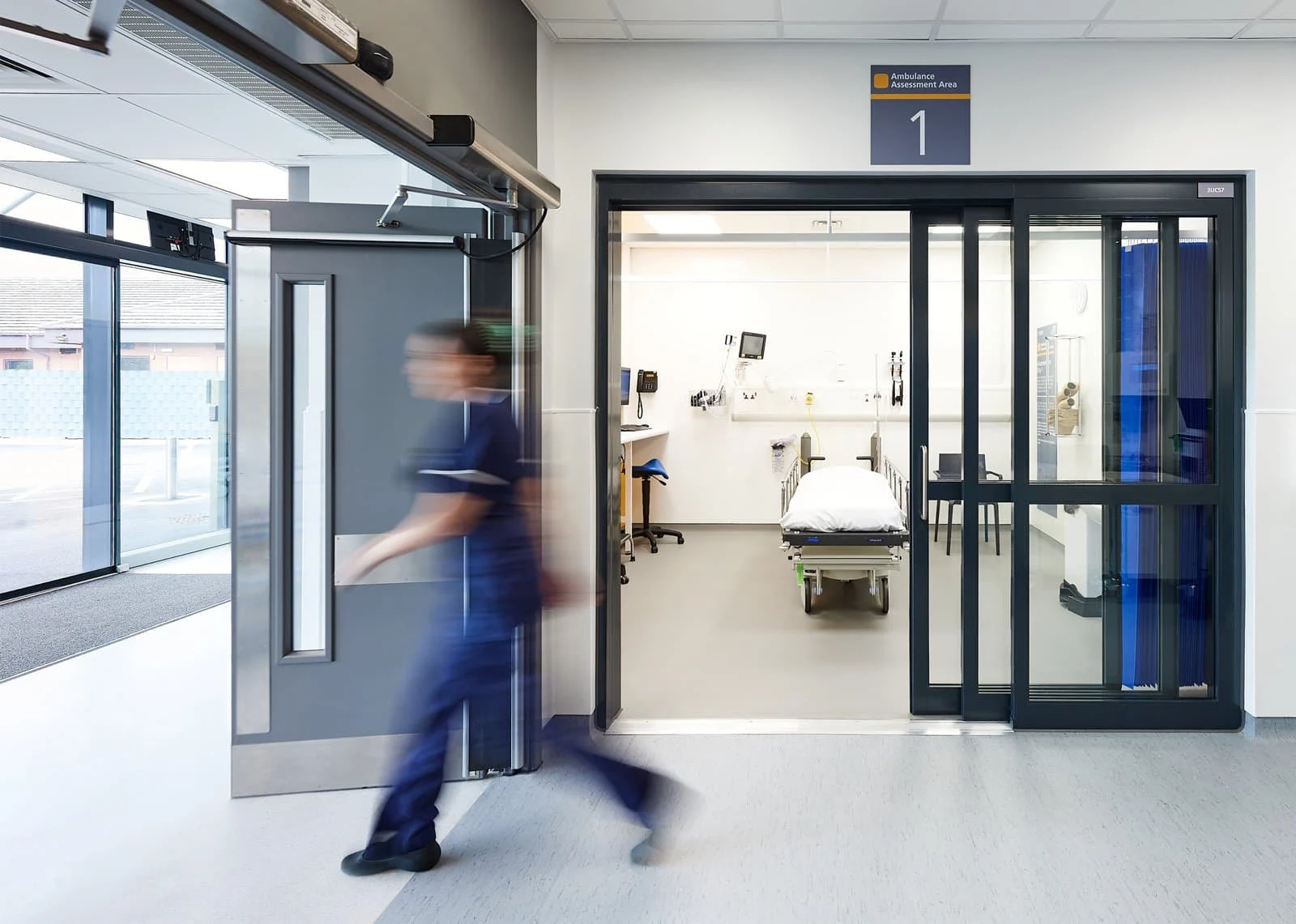
Chesterfield Royal Hospital NHS Foundation Trust
Alan Johnston Partnership delivered full civil and structural engineering services for the £27 million Chesterfield Urgent Care Village, a major new-build emergency care facility at Chesterfield Royal Hospital. Delivered under the Procure 22 framework with Integrated Health Projects and The Manser Practice, the scheme provides a modern, high-quality environment designed to improve patient experience, clinical flow and emergency care capacity.
The new Emergency Department was constructed on a live hospital campus and became operational in June 2023. AJP’s role encompassed all civils, drainage, substructure and superstructure design, developed to support phased delivery while maintaining uninterrupted emergency services throughout construction. Close coordination with the wider project team was essential to manage access, servicing and logistics alongside day-to-day hospital operations.
During construction, a late client-led change required the extension of part of the first floor. Through proactive engineering input and close collaboration with the contractor and design team, this variation was successfully integrated into the structural solution and delivered ahead of programme and under budget, without compromising safety or operational continuity.
The Urgent Care Village forms part of a long-term redevelopment programme at Chesterfield Royal Hospital, delivered through a collaborative relationship spanning more than a decade and involving multiple handovers within a live clinical environment. The completed facility has enhanced emergency care provision and demonstrates AJP’s ability to deliver adaptable, resilient civil and structural solutions within complex acute healthcare settings.
Engineering Principles Applied
Live-site civil and structural coordination; adaptable structural design accommodating late-stage change; phased delivery strategies for emergency care facilities; robust, buildable solutions supporting long-term estate redevelopment.
Warrington and Halton Hospitals NHS Foundation Trust
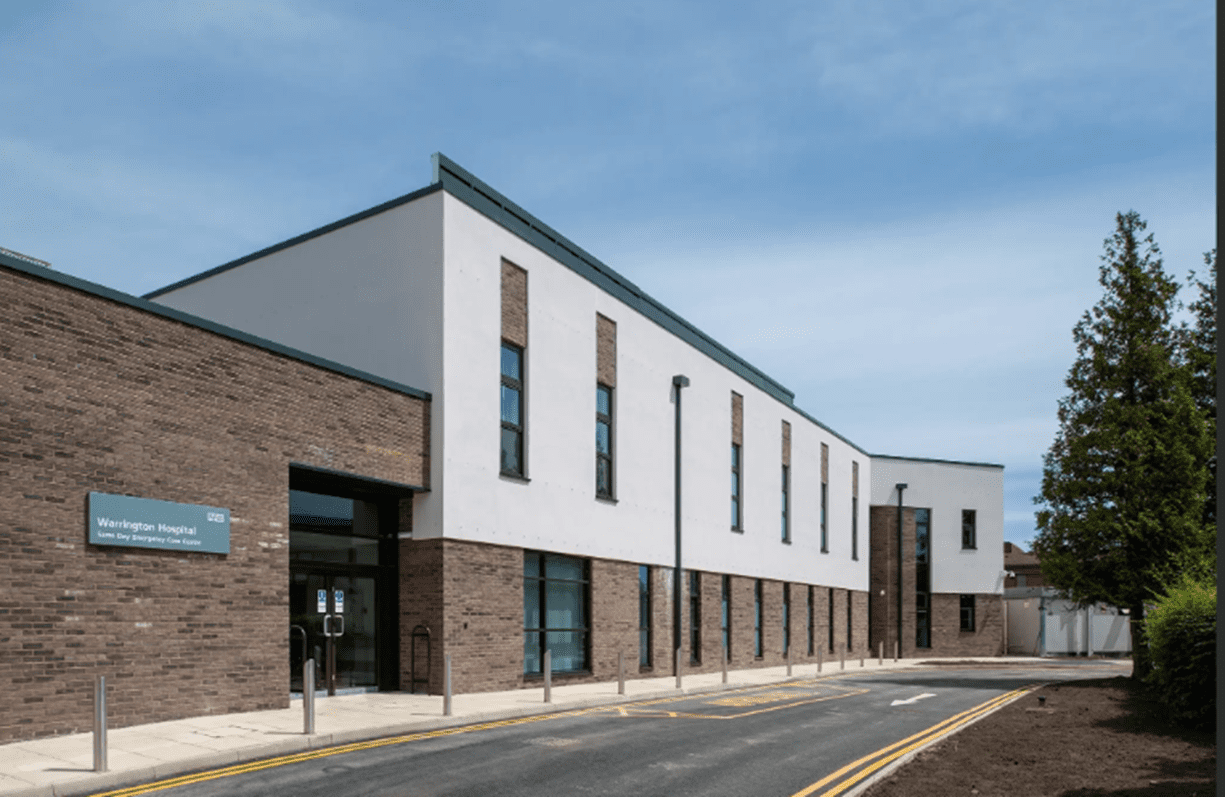
Alan Johnston Partnership delivered full civil and structural engineering services for the £6.3 million ED Plaza and Same Day Emergency Care (SDEC) extension at Warrington Hospital. Procured through a traditional route and delivered directly for Warrington and Halton Hospitals NHS Foundation Trust, the project was developed to increase emergency care capacity and improve patient pathways, particularly in response to pressures arising from the COVID-19 pandemic.
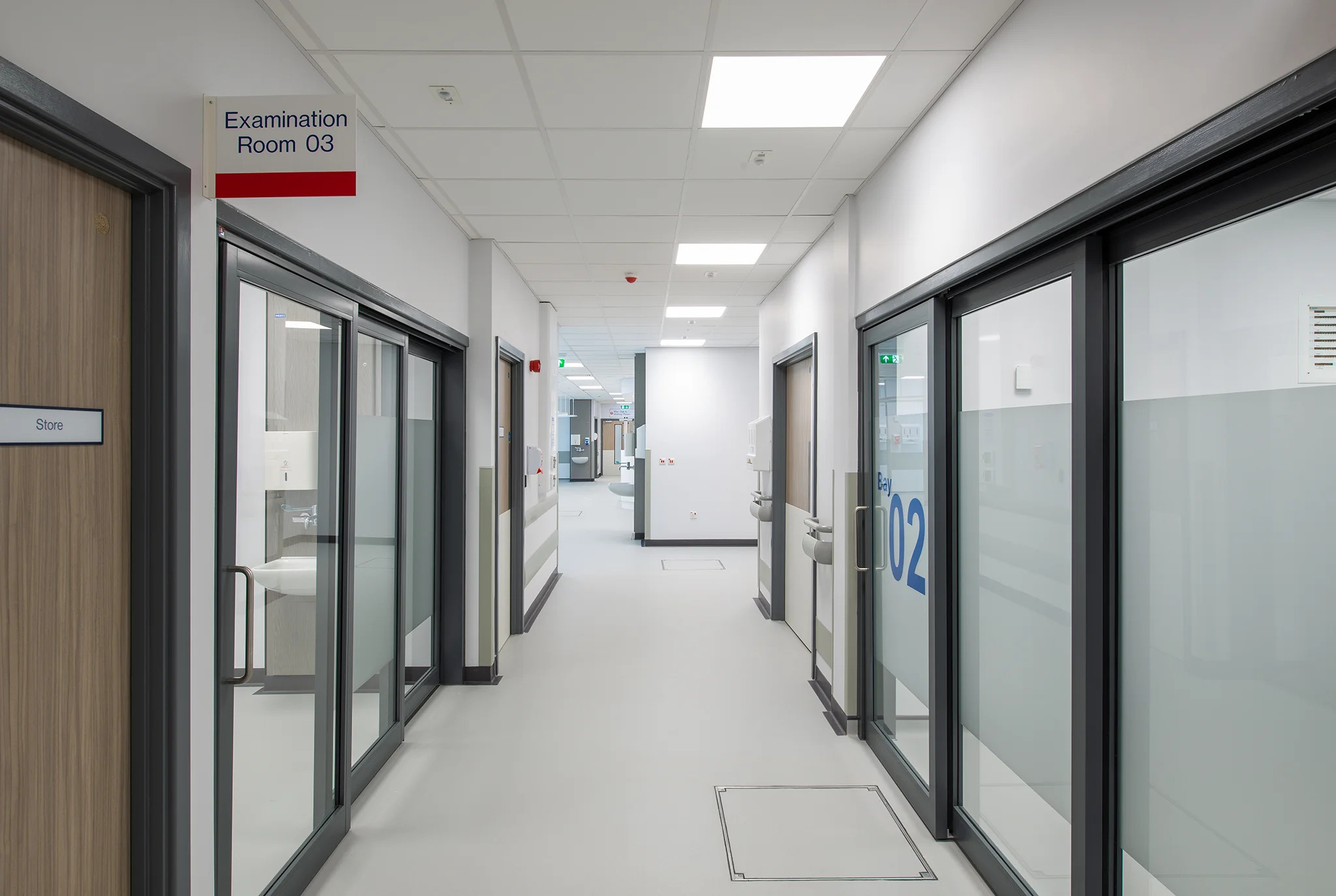
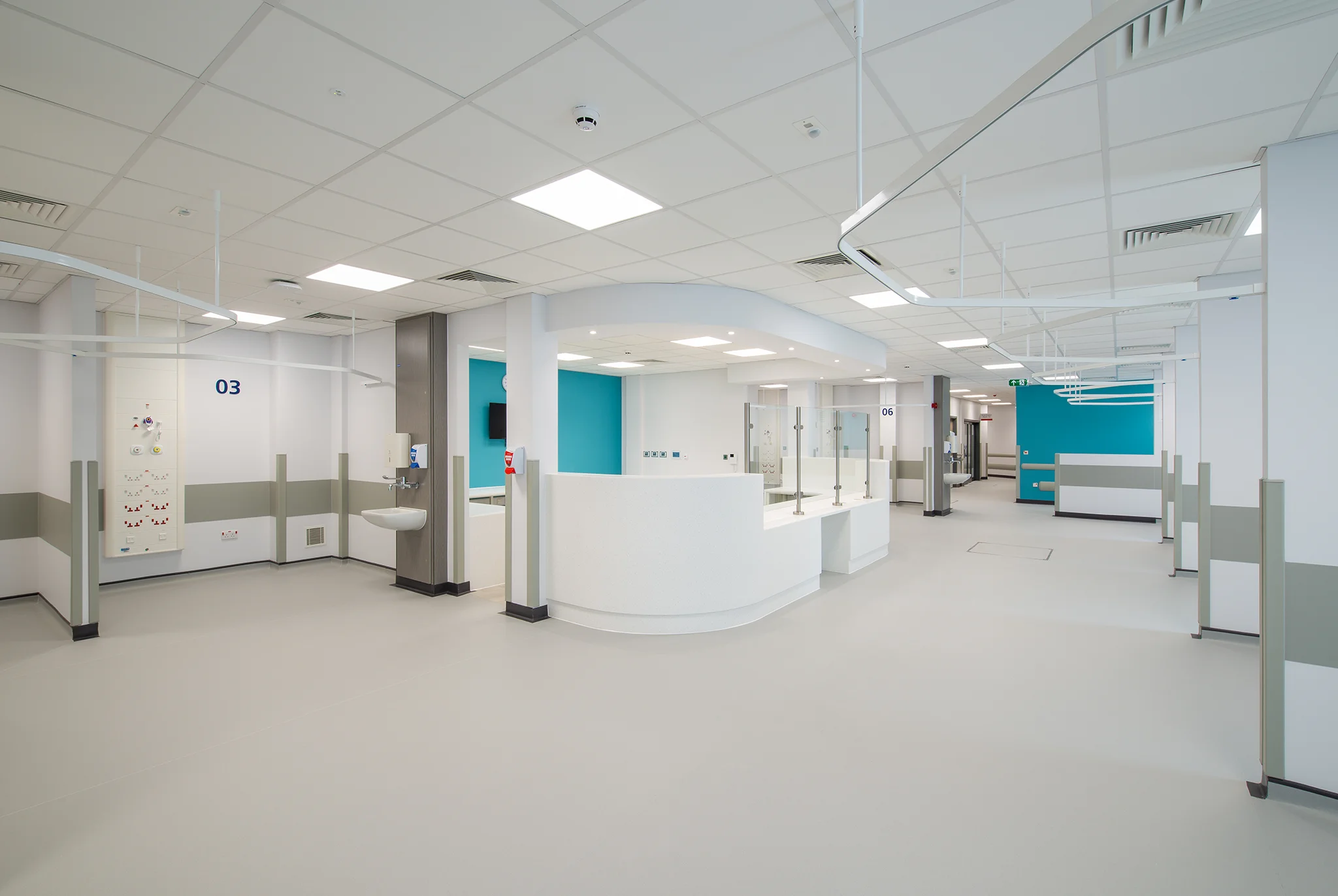
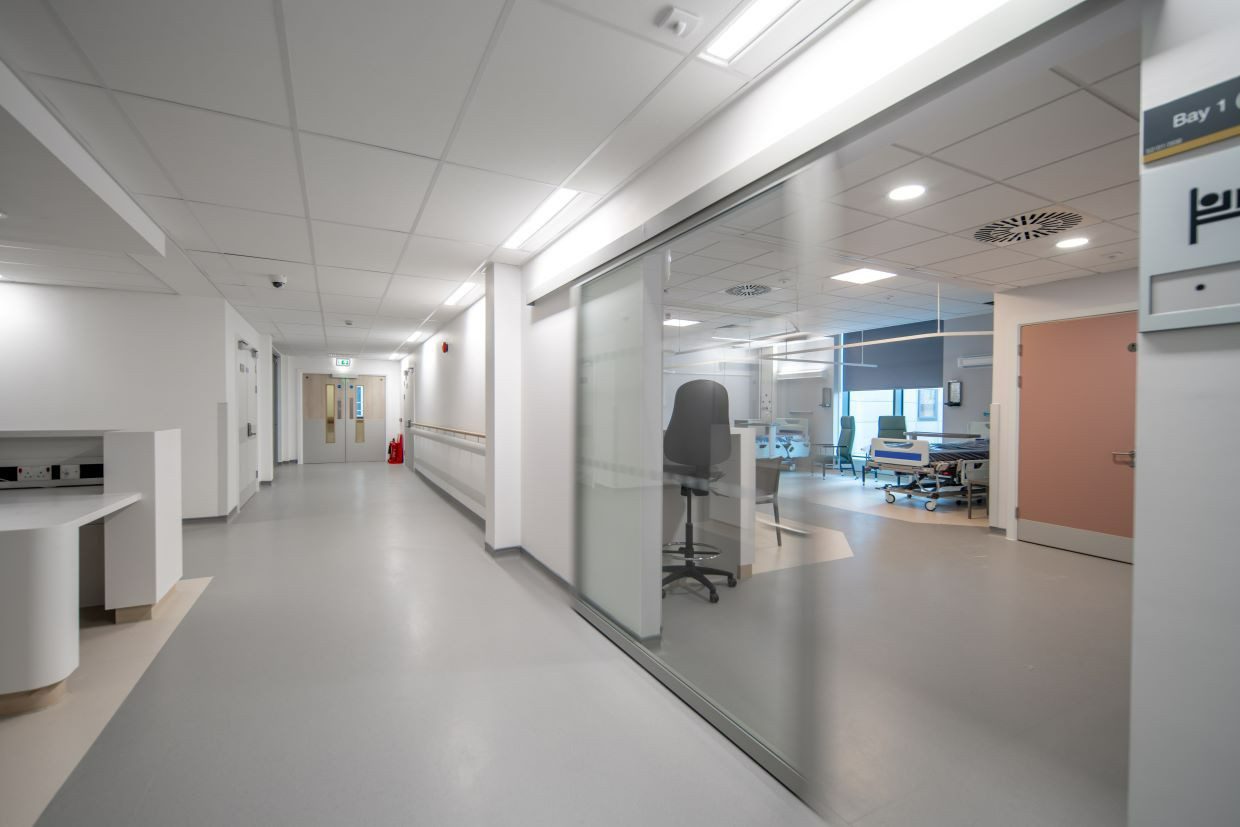
The scheme comprises a two-storey extension to the existing Appleton Building. The ground floor provides dedicated patient-facing accommodation, including assessment areas, triage, ambulatory care, hot clinics and GP streaming facilities, supporting a range of alternative pathways to care and reducing pressure on the main Emergency Department. The first floor accommodates administrative, equipment and staff welfare spaces, releasing valuable ground floor space within the existing department for additional clinical use.
AJP’s scope included all civils, drainage, substructure and superstructure design, developed to integrate seamlessly with the existing hospital estate while maintaining live emergency services throughout construction. Structural solutions were coordinated to accommodate efficient floor layouts and future adaptability, while civil engineering works addressed external access, servicing and drainage interfaces within a constrained operational site.
The completed ED Plaza has expanded Warrington Hospital’s capacity to manage urgent and emergency care, including high-risk respiratory cases, and demonstrates AJP’s ability to deliver practical, resilient healthcare infrastructure through close client collaboration and technically robust design.
Engineering Principles Applied
Integrated extension design within a live hospital estate; adaptable structural solutions supporting evolving care pathways; coordinated civils and drainage interfaces; engineering-led support for Same Day Emergency Care delivery.
Northern Care Alliance NHS Foundation Trust
Alan Johnston Partnership delivered full civil and structural engineering services for Phase 4a of the Royal Oldham Hospital redevelopment, known as the Hulton Building. The £28 million extension forms a key component of the Trust’s long-term estate strategy, providing modern clinical accommodation to support improved patient flow, resilience and operational efficiency within a busy acute hospital campus.
Delivered under the Procure 22 framework with Integrated Health Projects and architect DAY, the scheme was constructed on a constrained, live site adjacent to existing hospital buildings. AJP’s role encompassed all civils, drainage, substructure and superstructure design, developed to support phased delivery while maintaining uninterrupted hospital operations throughout construction.
The new building provides flexible clinical accommodation arranged over multiple storeys, requiring careful integration with existing structures, services and access routes. Structural solutions were developed to achieve efficient floorplates, robust performance and long-term adaptability, while civil engineering works addressed complex interfaces with the surrounding estate, including external levels, drainage connections and service corridors.
Close coordination with the wider project team was essential to manage logistics, access and sequencing within a highly constrained environment. The completed Hulton Building has enhanced the hospital’s clinical capacity and environment, demonstrating AJP’s ability to deliver technically robust, buildable engineering solutions within complex, live acute healthcare settings.
Engineering Principles Applied
Live-site civil and structural coordination; phased construction adjacent to operational clinical areas; adaptable structural design integrated with existing estate; coordinated drainage and external works supporting long-term hospital resilience.